
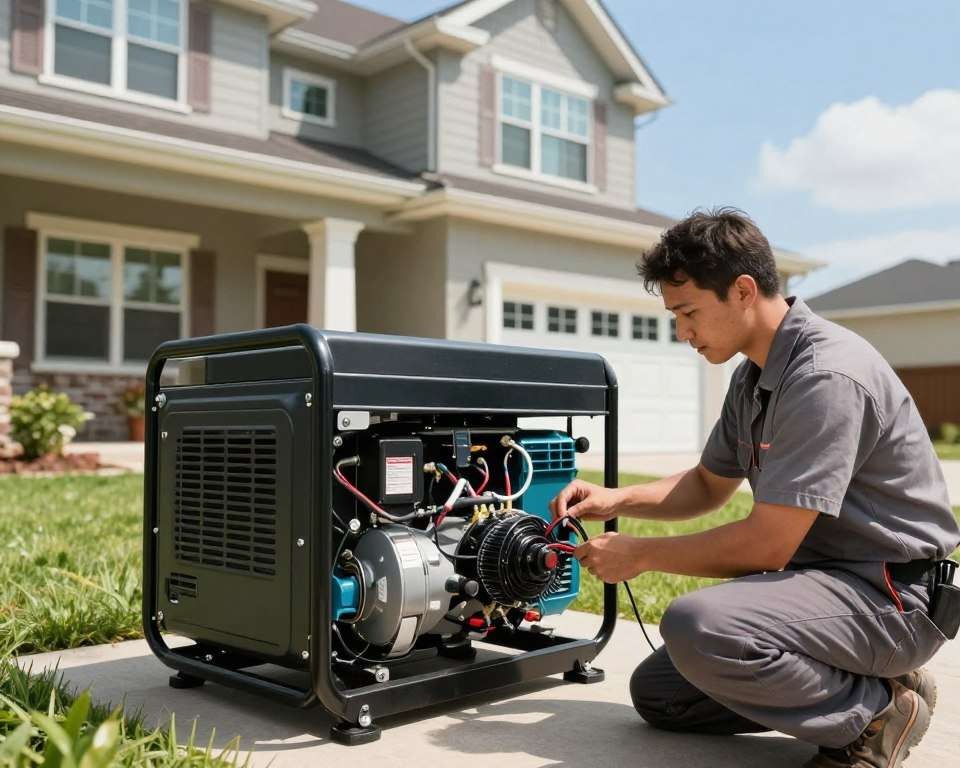
Have you ever been home when the power goes out during a storm? A home backup generator may be the solution to your worries. A home generator gives you the ability to keep your essential appliances and systems running.
Home backup generators support daily functions of a home or business by providing electricity when power outages occur. Home backup generators save you from stressful situations and keep things running when the power goes out by turning on automatically when the main power supply gets interrupted.
Every generator is unique and knowing the details of how generators work is most important when making a decision on which generator fits your needs. Note, having power is a good thing, but having the right power solution is the goal.
Click On Read: – Entryway Furniture
Key Points
Home backup generators supply power to the home, even when the power goes out.
Home backup generators automatically start when power is lost which is essential for the daily function of a home or business.
The unique ways in which each generator functions is most important for the decision making and generator selection process.
Backup generators keep you calm when there is a storm and power goes out.
Understanding Home Backup Generators
Home backup generators ensure safety and comfort while preventing loss due to power outages. They automatically activate when power goes out and provide power to essential systems and appliances.
What Is a Home Backup Generator
Home Backup generators, also referred to as standby generators, are generators that are permanently connected to a home’s electric system to provide power to the entire home or selected power circuits during outages. Whole-house generators are fitted to the exterior of the home and integrate directly into the internal circuitry of the home, as opposed to portable generators.
Essential Components and Parts
Home backup generators are made up of various essential components that allow the system to provide reliable power. It is important to have a good understanding of each of the components in order to evaluate the system.
Engine and Alternator
The components of the generator that provide the highest quality are the engine and the alternator. The engine of the generator is the source of the mechanical energy that the alternator needs to convert into electrical energy and therefore, is the most important component of any generator.
Fuel Systems
The Fuel Systems obtains fuels such as Gasoline, Natural Gas, or Propane, to supply it to the Engine. Depending on the design of the generator, the fuels and types of combustion may differ and then the performance and maintenance of the generator also may differ.
Cooling and Exhaust Systems
The Exhaust Systems of the generator must work properly to expel the cooled gases. She must also take care of the Cooling Systems to those gases and of the other Systems to the safety and endurance of the She.
Here is a summary of the key components and their functions:
| Component | Function |
| Engine | Provides mechanical energy |
| Alternator | Converts mechanical energy to electrical energy |
| Fuel System | Supplies fuel to the engine |
| Cooling System | Prevents overheating |
| Exhaust System | Removes harmful gases |
Situations That Require Backup Power
Home backup generators provide peace of mind, knowing that backup power will always be available, regardless of the circumstance. Situations such as natural disasters, power grid failures, and urgent medical or business needs may require operating systems to run as a backup power.
A few examples of situations that necessitate the need for backup power include the following:
Severe weather occurrences such as hurricanes or blizzards
Failures of the power grid as a result of issues with the underlying infrastructure
Medical emergencies where life-support equipment is involved
Business functions that cannot afford to be interrupted
How Home Backup Generators Function
Home backup generators work by being able to sense power outages and respond by keeping power to the home during the outage, which is important for the home’s comfort, safety, and for keeping things running.
The Automatic Transfer Switch (ATS) Function
The Automatic Transfer Switch (ATS) is a critical part of backup generators for homes that lets them make the important switch from a utility company to the backup generator without a loss of power during an outage. This is what makes the seamless change possible, so you can use your electrical devices without any interruptions.
The ATS does this by sensing utility power. When the switch senses that utility power is absent, it will start the generator, and once the generator is running, the ATS will switch the load to the generator. This all occurs in a matter of seconds.
Detection of Power Outages and Response Speed
An advanced control system in backup generators recognizes power cuts and sets off an activation sequence, which is very important for returning your home to regular operation. Generator sets have the ability to start supplying power in as little as 10 to 30 seconds. This time may be reduced by customizing and adjusting the generator to respond to an outage.
Process of Conversion of Fuel to Electricity
The main operation of a home backup generator is the conversion of fuel to electrical energy. The generator engine burns fuel (natural gas, propane, or diesel) to power an alternator, which creates electric power. The generator’s efficiency is affected by the fuel-to-electric conversion process, electrical output, and fuel consumption.
Fuel Type and Conversion Efficiency
Fuel Type Conversion Efficiency Typical Use
Natural Gas High Residential Backup
Propane Medium to High Residential and Commercial
Diesel Medium Heavy-duty Applications
Restoration of Utility Power and Generator Shutdown
The ATS, after restoring utility power, switches the power supply to the grid, and the generator is signaled to shut down. The entire process is automated, so the home will automatically revert to utility power, and the generator will go to standby mode, ready for the next power outage.
Comprehending these intricate processes allows homeowners to better understand the purposes and benefits of these generators, as well as how they add to the power reliability during outages, thereby increasing the overall emergency preparedness of these homes.
Home Backup Generators
It is possible to find many categories of home backup generators, each with unique features. Depending on their specific preferences, homeowners may choose to have standby generators, portable generators, or inverter generators.
Standby Generators
Standby generators have the capability of providing power to the entire home and are made to be stored in a single location. These are also the only type of backup generators capable of being directly wired to the home’s electrical system.
Factors for Permanent Installation
Standby generators have features that facilitate their installation. These are typically placed on a form of concrete and wired directly to the electrical panel of the home.
“Standby generators are built to provide seamless backup power during outages, ensuring that your home remains comfortable and safe.” – Generac
Whole-House Power Capability
One major benefit of standby generators is that they are capable of powering the entire home. This is especially the case in larger homes or homes with important infrastructure that rely on uninterrupted power supply.
Portable Generators
For backup purposes, portable generators provide a more flexible option. They can be operated and transferred manually so they can be used for numerous purposes.
Manual Operation and Transfer
With portable generators, you have to do things manually. This includes transferring the power source from the utility source to the portable generator. This way, the generator can be used for powering the source during outages.
Inverter Generators
Inverter generators have the added advantage of clean power technology. They have a steady supply of current which is less likely to cause damage to household appliances.
Clean Power Technology
With clean power technology of inverter generators, output is guaranteed to be stable. This is beneficial for household and medical devices.
‘Inverter generators are a game-changer for those who need reliable power for their sensitive electronics.“
Peace of Mind With Your Home Backup Generator
Installing a home backup generator is peace of mind and protection from the power outages’ disruptions. This is a big investment, but it significantly improves the quality of your life. It ensures that the important systems in your home can continue to operate, and that your home can remain at a comfortable temperature.
Continuous Power for Important Systems
A home backup generator provides continuous power to vital systems, including medical devices, refrigeration, and security systems. This is extremely important for homes with members that may have medical emergencies.
Being able to count on power for these systems is extremely important and is a strong reason to have a backup generator.
Keeping Food, Medicine and Other Important Things Safe
When the power goes out, food and medicine can spoil and important belongings can be ruined if they are stored in a temperature controlled environment. A backup generator safeguards these important and priceless items.
A backup generator saves vital medicines and food from being spoiled by keeping refrigerators and freezers running.
Improved Quality of Life and Safety in Your Home When the Power is Out for a Long Time
When the power goes out for a long time, conditions in the home can be very unpleasant when it is hot or very cold outside. A backup generator allows you to keep the heating or cooling system on, making it better.
This makes it better to be in the home, and it can be very important for your safety by keeping it from getting too hot or too cold in the home.
Increased Valuation of the Property
Home backup generators can increase property value, as it is an attractive feature as an option for prospective buyers. This is most true for buyers in regions with regular power outages.
Increased value, attractiveness, and marketability of the property are all derived from generator backup systems.
Installation, Maintenance, and Cost Factors
Home backup generators can save the day, especially when power outages are anticipated. However, their value is highly dependent on effective installation, greater understanding of the costs, and regular maintenance.
Correct Sizing of your Home Backup Generator
Choosing the right size generator for your backup power supply is very important. This means having backup power for your home while the outages are occurring. During an outage, you will need to do some calculations to find out how much power your systems will require to keep running. This means backup systems need to have their power needs calculated in advance.
Total Power Needs of your Backup Home Generator
For your backup home generator to perform effectively, it is important to calculate all of the power requirements needed for your home. In order to do this you will need to prepare a list and do some calculations.
- List all of the devices you will need to run such as refrigerators, internet, lighting and HVAC, and medical systems.
- Next, calculate the power.
- Finally, create the list.
Typical Size of a Generator
The capacity of a generator can be anywhere from 5KW to over 20KW. The size of the generator you need will depend on your expected power needs.
Fuel Source Options and Availability
Your choice of fuel source for your backup generator affects how it will function, how you will maintain it, and how expensive it will be. Natural gas, propane, and diesel are the available fuel sources from which you can choose.
Natural Gas
If you have a gas line already connected to your house, natural gas is a convenient option. Once it is connected to the generator, it will provide a continuous supply without the need for the generator to be refilled.
Propane
You will be able to use a propane option as well if you do not have natural gas. Be sure to check the size of the propane tank based on the consumption of the generator and how long you could have an outage.
Diesel
If you are able to strategy your diesel fuel storage, you will be able to use it as a generator as well. The storage strategy will be dependent on your local rules to ensure it is safe.
Professional Installation and Permits
Your generator can be operated safely and efficiently after professional installation. The installation will also allow you to minimize the number of permits required to comply with the local building codes.
Routine Maintenance Requirements
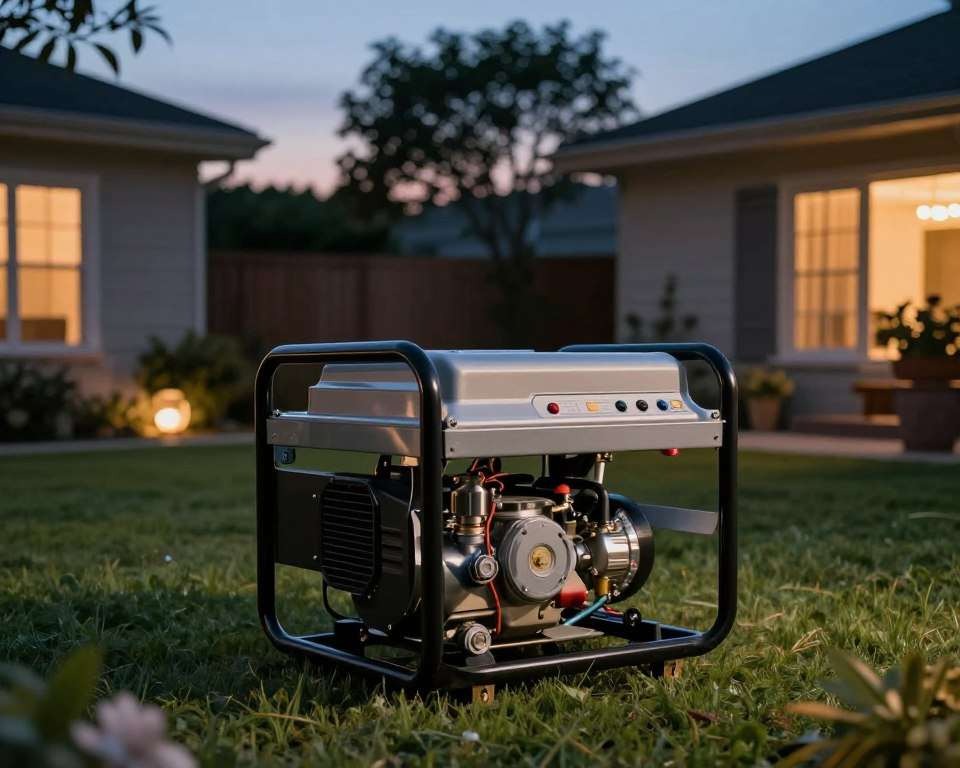
Routine maintenance can include things like changing the oil, checking the battery, and exercising (running) the generator.
Cost Breakdown and Budget Planning
To develop a budget, it is necessary to understand the total cost of ownership, which consists of the purchase price, installation costs, fuel costs, and maintenance costs. It is best to understand the total costs when budgeting for the generator, because there are both upfront costs and costs over a long period of time.
Cost Component
Description
Estimated Cost
Purchase Price
The first amount of money spent to buy the generator.
$1,000 – $5,000
Installation Costs
The amount of money spent on labor and materials to complete the installation of the generator.
$1,000 – $3,000
Fuel Costs
The amount of money spent over and over again to buy fuel for the generator. This will be different for each generator and will depend on the type of fuel and how often the generator is used.
The maintenance costs will be different if the generator is maintained or if it is not kept up to date. It is estimated to cost between $200 and $500 every year.
Conclusion
With all of this information, a generator for your home is an essential investment in ensuring that power outages can be dealt with, and providing security and safety in your home.
Having to deal with the considerations when it comes to installation and maintenance of a generator for your home, and having knowledge of the different forms of home backup generators and the benefits that come with them, will ensure that you have all the information required to understand and evaluate your backup power needs.
Backup generators can provide power security for yourself and your home, as well as increase the worth of your home. During power outages, assess your options to provide the best security for your home.
When an outage occurs, a home backup generator allows you to feel secure and allows for a peaceful environment within your home, even when the power is out.
FAQ
What is a home backup generator?
A home backup generator is a piece of equipment that generates power to your home to ensure safety and day-to-day activities can continue.
How does a home backup generator work?
A home backup generator senses when the home loses power, turns on, and powers the home until the power is back on from the electric company.
What are the essential components of a home backup generator?
Some essential components include the engine, alternator, fuel system, and cooling and exhaust to generate backup power.
What are the different types of home backup generators available?
There are standby generators, portable generators, and inverter generators.
How do I determine what size home backup generator I require?
The size depends on the total energy needs of the home. This depends on the size of the home, the number of the appliances, and what systems are the most critical.
What are the advantages of having a home backup generator?
The advantages are that the systems that require constant power will run without interruption, food and valuables are protected, and there is additional comfort and safety for the home. It also adds value to the property.
What is the maintenance schedule for home backup generators?
Maintenance is crucial and is typically a monthly exercise, an annual inspection, and an annual service as the manufacturer recommends.
What are the fuel source options for home backup generators?
The fuel sources are natural gas, propane, and diesel. Each has advantages and disadvantages, as do their availability and methods of storage.
Can a homeowner install a home backup generator?
Some portable generators can be installed by the homeowner. Most standby generators require professional installation.
How much is a home backup generator?
The cost depends heavily on the type, size, and features of the generator, in addition to the cost of installation. This cost can be a few hundred to a few thousand dollars.