
Are you ready for another planned power outage? With the power and severe weather events happening more frequently, having an alternative source of power becomes even more important.
In the case of an outage, a home backup generators will keep power running to your house. However, choosing the right generator for your home can be overwhelming.
Every type of generator has its unique pros and cons. To choose the best option, you need to know the differences between the types of generators and power solutions offered.
Click On Read: – Home Backup Generators
When You Need Backup Power
A modern home needs to be equipped with a whole-house automatic protection system/s backup generator, as there are countless reasons for power outages, including natural disasters, grid failures, and even maintenance. Maintaining a home is nearly impossible without electricity.
The absence of power is inconvenient, and can lead to serious issues, for instance, the breakdown of critical medical equipment, food spoilage, and safety issues at home. With a backup power solution, homes can keep appliances and systems operational during emergency situations when power is unavailable.
With a whole-house automatic protection system, there’s no need to start a generator manually or figure out where to plug it in. These systems provide a fully automated response during a power outage, providing a seamless integration and a fully operational device.
Overall, a backup power solution is essential in providing safety and peace of mind in homes during power outages.
Standing Generator: Whole-House Automatic Protection
Standing generators offer an effortless backup power solution and automatic system to homeowners. These systems provide whole-house protection and power when it is needed most, integrating into a home.
Standby Generators
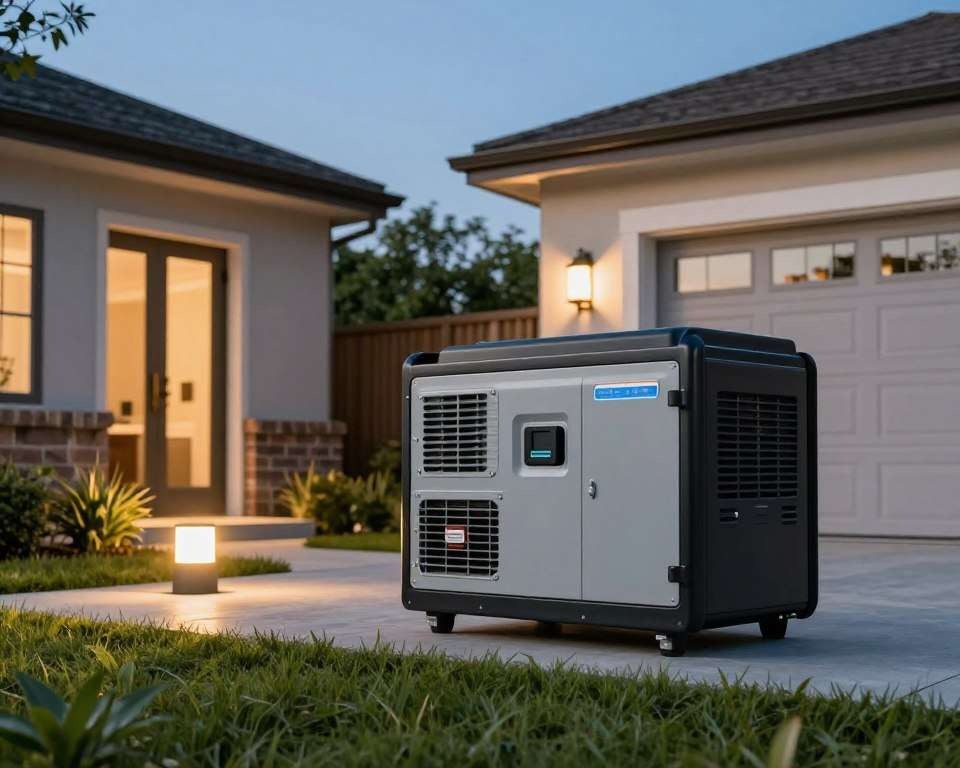
Standby generators, which have been altered for commercial use, are located outside of homes and connected nearly to the household’s electric systems. These systems have automatic transfer switches and the systems will detect power surges and will start. Generators provide power to homes within a matter of seconds after a power outage. The main components include the generator, transfer switches, and fuel types like natural gas or propane.
Standby Generators Offer The Following Benefits
Generators offer several advantages that include the following:
Whole House Coverage: Portable generators cannot power homes as whole house generators can and cannot power large scale appliances and large hvac units.
Automatic Operation: The automatic start systems are able to detect when power surges occur and start up systems are able to detect when power surges occur and provide uninterrupted power.
Convenience Provided: Standby generators provide the most convenience as generators do not require any manual starting or refueling.
Negatives Of Generators
In standby generators, the following negatives are the most significant:
Higher Initial Cost: Standby generators are usually more of an expense compared to portable generators and the installation costs are an expense as well.
Professional Installation: proper installations require more expensive installations, which can be a large part of the initial costs.
Maintenance: System should be maintained periodically so that it may function properly at any time it is needed.
Ideal Homes for Standby Generators
Standby generators fit best for;
Big Houses: Standby generators offer extensive coverage to homes with higher square footage or high consumption.
Urgent Power Requirements: Homes where there is electronic medical equipment or any other equipment that requires continuous uninterrupted power supply.
Outage Prone Places: Homes located in places where there is frequent bad weather or compromised power lines.
To sum up, standby generators provide a solid answer for homeowners seeking whole-house automatic coverage. By learning how they function, their pros and cons, homeowners can determine whether a standby generator is necessary for them.
Portable Generators: Budget-Friendly Emergency Power
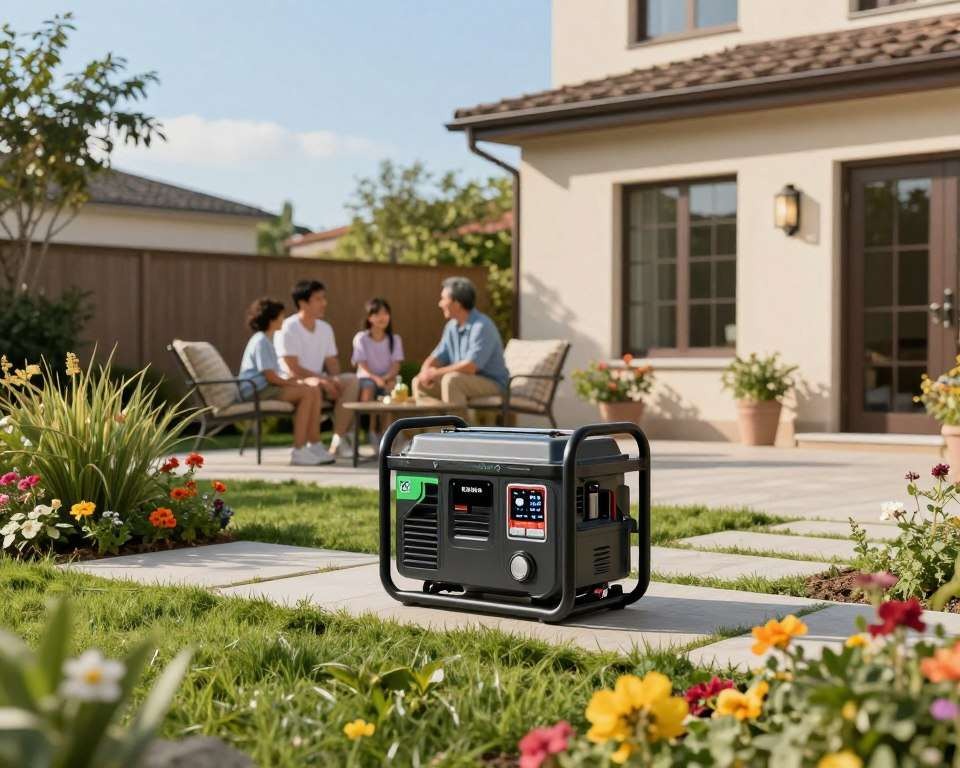
Portable generators provide homeowners an easy and cost effective way to secure power during an outage. They are especially attractive to those who seek a reliable backup power option without the heavy initial investment required for whole-house generators.
Operation Fundamentals
Due to their mobility and versatility, portable generators can be used by homeowners in a variety of ways. Most of the time, they use gasoline or propane, and they can be moved to any location on a property to provide power where it is needed most.
Essential Components: A majority of portable generators consist of a durable engine, an alternator to produce power, and a control panel to operate the generator safely.
Portable generators have a number of benefits, the biggest benefit is the price. When compared to standby generators, portable generators are generally much more affordable, and being more portable creates an additional function. In most instances, larger generators are used to provide a primary source of power in the case of a blackout, while smaller generators are used to provide power in the case of a blackout.
Permanent generators are more expensive than portable generators. Additionally, they typically operate single tasks, unlike portable generators which can operate multiple tasks.
Portable generators have multiple benefits, but there are still many disadvantages in comparison to standby generators. These include the time and effort for the initial setup to be completed, operating noise, and the impact of the operating noise. When using portable generators, there is more than enough time for the generator to create power and also for the generator to operate.
“Portable generators are a great option to bring with you in an emergency situation, however, users should consider the drawbacks such as noise and the fact that you will have to turn it on manually” says the Specialist, Expert in Backup Power Solutions.
Appropriate Uses
Portable generators are best suited for smaller homes that do not need a whole-house backup power solution, especially if the owners need to only power a few survival appliances.
Home Size
Best Use
Power Output
Small
Powering survival appliances
2,000 – 4,000 watts
Medium
Powering a few crucial appliances
4,000 – 7,000 watts
To sum up all the above, a portable generator will be the best option if you’re looking for cost-effective emergency power source options. Once you understand how a portable generator works, you are also able to determine if it will meet your requirements.
Powering electronics safely and efficiently with Inverter Generators
Inverter generators are the next step in back up power. They also produce power that is clean enough to be used with sensitive electronics. Inverter generators are not your typical generators. They have the capability to monitor the demand for power and adjust the engine speed according to the demand. With this feature, they burn fuel more efficiently and operate more quietly.
The functioning of inverter technology
The functioning of inverter technology includes the use of electronics to convert the Direct Current (DC) to Alternating Current (AC) of the power produced by the generator. This is done in three steps: creation of the generator’s DC, converting the DC to AC and modifying the generated power to the required voltage and frequency. This enables the generation of power that is clean and stable and can be useful to sensitive devices.
Positive Aspects of Inverter Generators
The inverter generators give a clean power generation and have the following positive aspects.
- Better fuel use: by changing the power required, the generator uses less fuel.
- Less noise: the generator is less disruptive than the normal generators.
- Safe electronics use: the clean and safe power generation enables their use with sensitive electronics.
Negative Aspects of Inverter Generators
- Costs: The set up costs are normally higher.
- Repairs: The Repair needs are complicated.
Ideal Homes for Inverter Generators
Inverter generators provide several advantages, including quiet operation, fuel economy, and the safe fueling alternative for homes with sensitive electronics, including homes with critical electronic devices or sensitive equipment. They work well for: Homes with offices or critical electronic devices. Residences located in noise-sensitive zones. Those seeking affordable alternative fuel options for backup power.
With a clear understanding of the pros and cons of inverter generators, customers can decide if this technology serves the purpose of alleviating their power outage concerns.
Fuel Options for Home Backup Generator Systems
The fuel source for home backup generator systems influences the system’s overall performance, costs, and environmental impact. Natural Gas Generators Natural gas generators are a common choice for home backup systems due to their convenience and affordability. They are directly connected to the natural gas line and therefore provide a constant fuel source without refueling.
Advantages: a constant source of fuel, low cost of operation, and cleaner combustion than gasoline or diesel.
Disadvantages: not all areas have a natural gas line.
Generators that run on propane
Propane-powered generators run on propane, which is a reliable fuel option because it is readily available for use in areas such as homes and for other outdoor spaces where natural gas cannot be utilized due to its long shelf life.
Pros: Able to be used in other areas where natural gas cannot be used, long shelf life, and fuel is clean-burning.
Cons: Costs for propane fuel initial costs are higher than natural gas, and the refill and replacement of propane tanks is necessary.
Generators that run on gasoline
Gasoline generators are less expensive to purchase than other gasoline-powered generators, but because they frequently run on gasoline it comes with a higher cost to refuel because gasoline has a higher cost than other fuels.
Pros: Costs to purchase gasoline are relatively inexpensive to refill, and gasoline is one of the most accessible fuels to use.
Cons: gas-powered generators result in a greater cost to run because the operation is less efficient, it is obnoxiously loud, and it is less friendly to our environment.
Generators that run on diesel
Generators that are powered by diesel fuel have an immense durability and provide an immense efficiency. Although they are used in industrial and commercial work, they can be used in homes as a backup electrical source.
Pros: Can result in less costs to purchase because they are an efficient fuel and durable.
Cons: Can make a greater noise to run than other fuel generators, can have a greater cost to purchase than other generators, and they provide a greater concern for the environment than other fuel generators to operate the generators.
Fuel Type Advantages Disadvantages
Natural Gas Continuous supply, cleaner burning Requires natural gas line connection
and lower operating costs
Propane Usable in remote areas Requires propane tank refills or
clean burning, and long shelf replacements
life
Gasoline Lower upfront costs, easy Higher operating costs, noisier, and
refueling less environmentally friendly
Diesel Cost effective for heavy use, Noisier, more expensive upfront, and
efficient, and durable emissions concerns
As outlined by industry professionals, “The choice of fuel for your home backup generator is not just about availability; it’s about balancing cost, efficiency, and environmental considerations.”
When choosing a fuel type for home backup generators, homeowners must consider several factors, including cost, availability, and environmental concerns. Understanding the benefits and drawbacks of each fuel type is essential for making the most appropriate choice.
Determining the Right Size for Your Home Backup Generator
When it comes to home backup generators, size matters. It is crucial to ensure that your generator is of the right size to maintain power to the most important appliances, It is important to choose a generator that is not too small or too big to ensure that it is not too small to handle the load of all the appliances. Choosing a generator that is too big can be unnecessarily expensive and inefficient.
Assessing Your Core Power Needs
The first step in sizing a generator for your home is to assess your core power needs. This means identifying the appliances you want to power in an outage and how many watts each of those appliances needs. This also means identifying appliances that have significantly different starting and running watt requirements.
Consider an example of a refrigerator that needs 800 watts to start and only 200 watts to run. Knowing this kind of information is critical in getting the accurate supply you need to run your essential appliances.
Wattage Requirements for Household Appliances
There is a range of wattage requirements for every household appliance and knowing the wattage requirement for your appliances is important when looking for a generator to support the power needs of your home. The following is a list of wattage requirements for some household appliances:
Appliances
Starting Watts
Running Watts
Refrigerator
800
200
LED TV
100
60
Microwave
1000
600
Air Conditioner (10,000 BTU)
1500
1200
Computer
200
100
Whole-House vs. Essential Circuits Coverage
There are some things to consider when looking for a generator, especially the option of powering your entire home versus powering just the essential circuits. Whole-house generators are generators that can supply power to all the appliances in your home and are much more convenient, although are usually more expensive to buy and install.
Generators that power just the essential circuits are less expensive, and still allow you to supply power to the important appliances, like refrigerators and lights, as well as medical equipment. The decision between whole-house or essential circuits coverage generators can be determined by your budget and needs.
Considering your power needs and determining the difference between essential circuits coverage and whole-house coverage can help you to determine the best choice to power your home during outages.
Cost Factors: Purchase, Installation, and Operating Expenses
Understanding the true cost of home backup generators begins with understanding the costs related to the generator type, installation, and ongoing operational costs associated with that generator type. Because there is a range of generator types, suppliers, specifications, and use patterns, ongoing operational costs vary widely.
Initial Cost by Generator Type
Understanding the different types of generators provides insight into the initial costs associated with each; regardless of the specifics of each generator. Here is a breakdown of initial costs associated with generator types. Please notice the significant variation of cost associated with generator types:
Portable Generators: $300-$3,000, Standby Generators: $2,000-$10,000+, Inverter Generators: $500-$4,000.
As presented, standby generator initial costs are more significant than portable generators that provide more cost-effective initial investment. The generator types that provide the least initial cost are the portable.
Operational, Installation, and Setup Costs
The costs associated with installing and operationalizing backup home generators provide the most significant variability in the associated costs. There are a range of variables that guide the costs associated with the complexity of the operationalization of the generator that require upgrades to the home electrical panels to meet the generator type.
Generator Type Installation Cost Range
Portable Generators $0 – $500; Standby Generators $1,000 – $3,000+; and Inverter Generators $0 – $1,000.
Of the generator types, Standby generators require the most professional set, which is a significant driver of cost associated with portable and inverter generators, which may require no professional set, regardless of the home generator electrical setup.Fuel and Maintenance Costs
Fuel and maintenance costs are likely a recurring cost that will be incurred after the purchase and installation of the generator. The type of fuel and the generator’s operational time will contribute greatly to the fuel maintenance costs.
Fuel cost: operational costs fuel maintenance will vary based on the type of fuel consumed, e.g. gas, Natural Gas, Propane, and Diesel.
Maintenance costs: costs incurred from service maintenance, parts replacement, and repair of the generator.
For example, the Natural Gas generator will likely have fuel costs that will be cheaper than the leaf blower gas generator, however, the cost to install the Natural Gas generator may be higher.
When potential costs of a generator are understood, consumers can make reasonable choices when purchasing a home backup generator.
Assumptions
Purchasing a home backup generator will be determined by the power consumption, amount of money to be spent, generators and fuel types.
It is necessary to keep in mind the features of standby, inverter, and portable generators in relation to the factors that will be of most importance to you, such as cost and benefit.
The consumer’s most critical need will be met to the fullest by assuring that a backup power source will keep the desirable appliances and systems functioning during the outages.
In selecting a home backup generator, power output, fuel efficiency, and cost of installation are important parameters to consider. Generac and Kohler, among other manufacturers, provide a variety of options, including portable, inverter, and whole-house standby generators. Suitable backup power investments allow your home and family to remain safe during power outages.
FAQ
What is the best type of home backup generator for my home?
There is not one ideal home backup generator. Standby generators, portable generators, and inverter generators all have unique pros and cons to suit specific power needs, personal preferences, and budget.
How do I determine the right size home backup generator for my needs?
Determining the right size home backup generator involves the essential power requirement calculations based on the wattage consumption of the household appliances and whether you will need coverage for the entire house or specific circuits.
What fuel sources can power home backup generator systems?
Home backup generator systems can run on natural gas, propane, gasoline, or diesel fuel. Each fuel source has its advantages and disadvantages. The best fuel source for your system will depend on availability, cost, and environmental concerns.
What is the price range for home backup generators?
The price range is wide due to the type, size, and fuel type. The price will include equipment and installation, and all operating/maintenance costs will be part of the total cost of ownership.
Can I perform the installation for a home backup generator, and if so, are there any special procedures I need to follow?
The installation of portable generators can be done by the owner, but it is advisable to have an electrician or generator installer do the installation of equipment due to warranty, insurance, or safety reasons.
How often is the home backup generator maintenance done?
The maintenance schedule for the system can be found in the warranty, and it is advisable for the owner to schedule maintenance annually to a technician. This is to improve reliability and performance.Will a home backup generator keep my whole house powered?
A standby generator is capable of powering your whole house but a portable generator or an inverter generator would only be able to power select appliances or generate power for only essential circuits. The type and size of your generator will dictate how much of your home it is able to power.
Are home backup generators considered to be safe?
When used appropriately, home backup generators are safe. However, to reduce risks, it is important to use safe operating practices, carry out regular maintenance, and install the unit properly.