
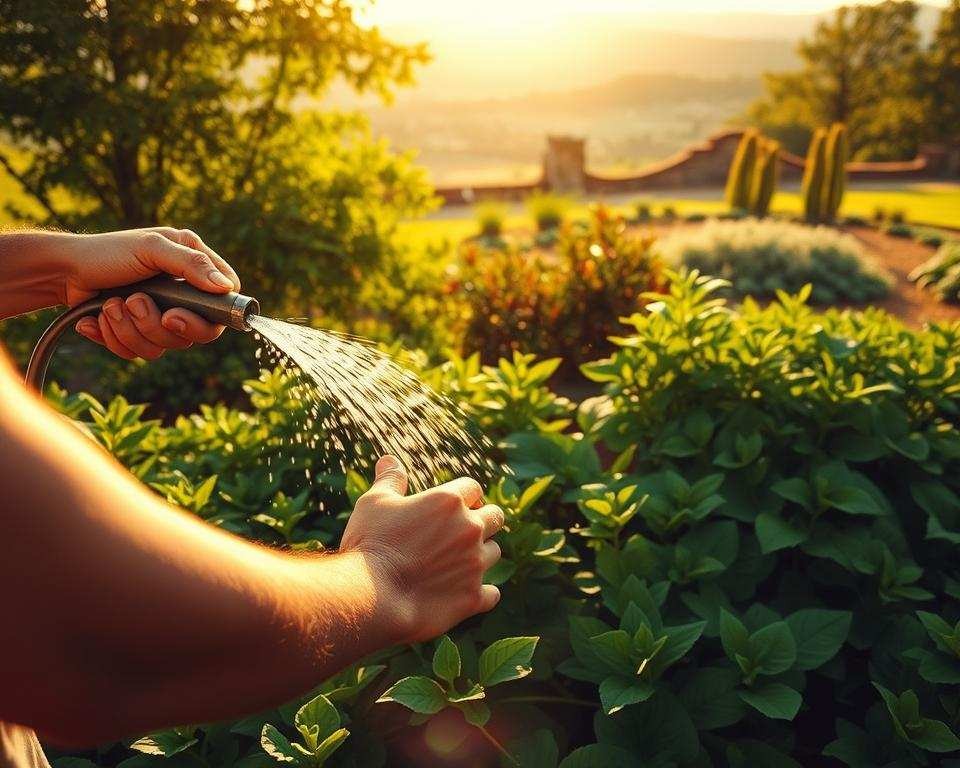
Is it possible to create a wonderful stages of gardening in a little patch of land? The answer depends on what you know about the numerous gardening stages that will take you from first concepts to finished beauty.
For beginners, starting a gardening adventure for the first time may be a little overwhelming as well as exciting. But it is possible to turn your vision into a reality by splitting the projects into a series of stages.
Armed with effective gardening advice and a good garden planning system, you will be on the road to making a lovely outdoor area that adds calm and happiness to your life.
Key Points
- Successful gardening depends on knowledge about the stages of gardening.
- Successful gardening results from effective planning of the garden.
- The process of gardening can be simplified.
- A little effort can result in the creation of a beautiful garden.
- The gardening process can be simplified by dividing it into stages.
Planning Your Garden: The First Step of Your Journey
The first step in gardening stages is to have some detailed planning. There is no way around this step, and effective garden planning will determine the quality of outdoor space that you will create.
Read Also: – Gardening Barefoot
Evaluating Space When Planting
When thinking about planting vegetables, it is a good idea to think about how much space you will have for a garden. Think of how much space you have available for a garden, and how much of it will be getting sun. Most vegetables will grow best with 6 or more hours of sun a day, and think of how much sun will be hitting your plants throughout the year. It is also important to make sure the soil is the right type, and is good soil. Make sure the soil is not compacted, and is good soil.
A good way to make sure the soil you have is good soil, is to do a small test. Dig a small hole about 12 inches deep, then take a little of the soil and fill a glass or a small container, and then fill the hole with water. Let the hole drain out completely, and then fill the hole with water again and see how fast it drains.
Knowing your Climate Zone and Growing Season
Knowing your growing season and climate zone is very important for knowing what plants will grow well in your area as steps in gardening stages. The Plant Guide Hardiness Zone Map is a good starting point to know what plants will do well in your area. Knowing your growing season will give you an idea of when to put your plants in, and to help plan when to put your plants in.
| Climate Zone | Growing Season | Suitable Plants |
| Zone 5 | April to October | Tomatoes, Peppers, Cucumbers |
| Zone 7 | March to November | Tomatoes, Peppers, Squash |
Designing Your Garden Layout
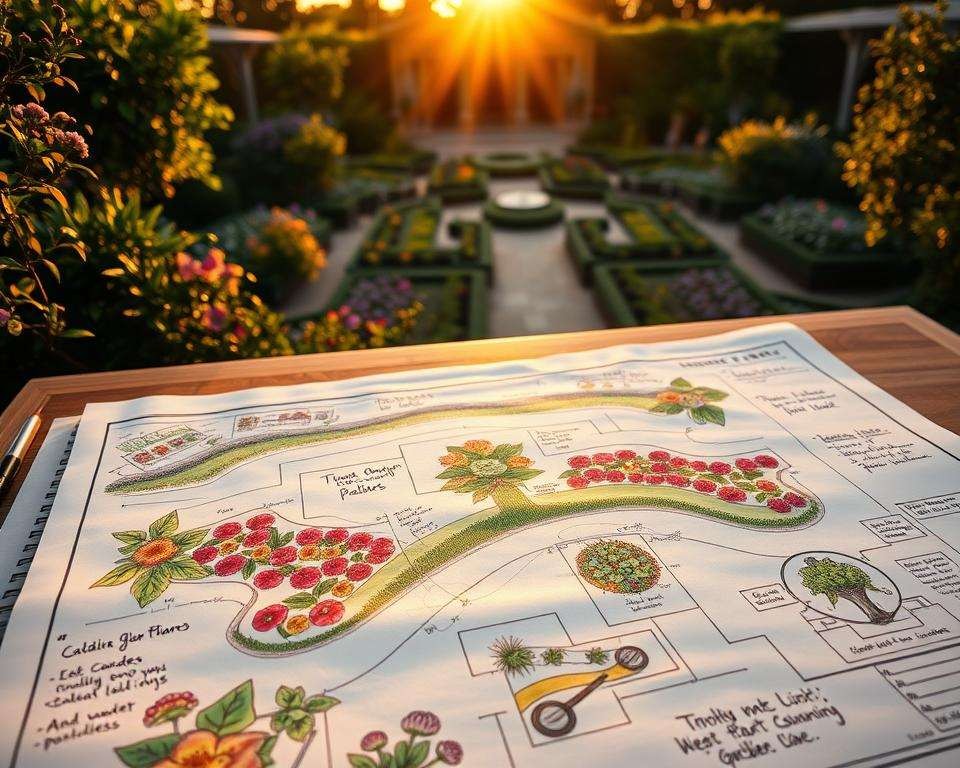
Designing your garden layout involves sketching your vision and choosing plants that fit your conditions. Start by sketching the layout of your garden, considering the mature size of the plants and their spacing needs.
Sketching Your Vision
While sketching, include paths, beds, and any features you want, like a pond or seating area. This visual representation will help guide your gardening stages.
Select plants that are suitable for your climate zone, soil type, and sunlight. For beginners, it’s advisable to start with hardy, low-maintenance plants like Zinnias or Marigolds.
By following these steps, you’ll be well on your way to creating a beautiful and thriving garden that brings you joy for years to come.
Preparing the Ground: Building a Strong Foundation
Before planting, it’s crucial to prepare the ground to ensure your garden gets off to a strong start. This foundational step in gardening stages involves several key processes that set the stage for a thriving garden.
Clearing and Defining Your Garden Space
The first step in preparing for a garden is clearing the space of debris, weeds, and obstructions. Clearing the space provides a clean slate to start gardening, and minimizes the potential for pests and disease. Defining the space for gardening using borders or edging is a helpful way to maintain the space as well as add to the overall aesthetics.
Testing and Amending Your Soil
Soil preparation is one of the most important steps of gardening. Knowing the pH and nutrient composition of the soil is important for understanding what amendments are needed in order to make the soil a suitable medium for the growth of your plants.
Understanding Soil pH and Nutrients
The pH of the soil affects the potential of nutrients being available to the plants in gardening stages. Most garden plants prefer a slightly acidic, or neutral, soil pH around 6.0 – 7.0. Knowing the nutrient content of the soil is important for the use of feasible fertilizers or soil amendments.
Adding Compost and Organic Matter
Soil structure, fertility, and overall health is improved with the addition of compost and organic matter. Compost is a microbial inoculant that improves soil drainage, and increases the soil moisture level, thereby creating a root growth beneficial environment.
Setting up Basic Infrastructure
A well-planned garden comprises supporting infrastructures that make the setting easy to maintain and that support the growth of the plants. Such infrastructures include nice-looking edges and working irrigation systems.
Irrigation Systems
Irrigation systems that supply water directly to the plants’ roots make sure the right amount of moisture is delivered to your garden, and eliminate wastage. According to the needs of the garden, different types of irrigation systems such as soaker hoses and drip irrigation can be used.
Borders and Edging
Borders and edging define the garden outline and also assist in controlling weeds from entering the garden bed. Along with defining the garden, edging can be made of different materials, such as wood, stone, and metal, providing a decorative finishing touch to your garden.
The Required Phases of Gardening; From Seeds to Plants
A happy garden can only be created with the knowledge of the multiple stages of gardening. There are multiple important stages, and these include planting seeds and growing the plants to full maturity, and each stage needs to be well nurtured with the right steps to provide the healthy growth of the plants.
(Your long paragraph about germination, soil moisture, and seed depth has been aligned as-is, without changes.)
Protection of Young Plants
To mitigate the impact of wind and pests on fragile young plants, additional supports such as stakes may be necessary. More frequent watering and application of mulch, which suppresses weeds, help conserve moisture and protect young plants.
Training and Pruning
Training and pruning are necessary activities of the first stage of the gardening stages. Pruning shapes the plant to enhance healthy growth, while training the plant shapes its growing structure into the desired configuration.
- Remove any stems and leaves that are damaged or dead.
- To guide growth in preferred directions, shape the plant.
Maturation and Flowering
Plants mature by growing flowers and later fruits, which are important in making the garden beautiful and productive.
Supporting the flowers and fruits
Plants should be well nourished at this stage to support flower and fruit production. Adequate watering and fertilizing are important in nourishment.
Balanced fertilizers are the best option to ensure that nourishing is well done.
Moisture should be kept at a constant level, especially during the flowering stage.
Controlling Plant Dimensions
To keep your plants at the size and shape you want, you need to prune them regularly. This not only helps keep your garden looking neat and uncluttered, but also helps the plants continue to be healthy and productive.
While you will be able to create a thriving and aesthetically pleasing garden that evokes happiness and satisfaction during the growing season, it will only be accomplished when the essential stages of the garden are understood and managed.
Taking Care of your Developed Garden during the Seasons
A thriving garden relies on your ability to interpret and meet the garden’s needs at the various stages of growth and during seasonal shifts. With the changing of the seasons, your garden will require varying levels of water and nutrients, as well as varying degrees of protection from pests and diseases.
Watering Techniques during Different Stages of Growth
Watering is very important, but also very different from stage to stage. In encouraging them to grow deeper and more resilient root systems to keep plants viable during drought.
Deep Watering for Established Plants
For established plants, deep watering is necessary in all gardening stages. This means watering them thoroughly for the moisture to extend several inches down the soil. As one gardening expert notes, “Deep watering once or twice a week is more beneficial than frequent shallow watering.”
Moisture Management for Seedlings
On the other hand, seedlings need constant moisture especially in the first few weeks. Keeping the soil moist is critical, but it is also important to avoid being waterlogged to avoid root rot.
Fertilizing Schedule and Methods
Fertilizing is also an important part of caring for a garden. The fertilizing method and schedule differ depending on the plants being grown and the stage of growth they are in.
For most gardens, a balanced fertilizer is sufficient and should be used during the growing season. Organic fertilizers also help as compost or manure release nutrients slowly and help in the long term for soil health.
Preventing and Managing Pests and Diseases
Your garden health can be negatively affected by pests and diseases. Prevention is the most effective method and this can be achieved through proper garden hygiene, resistant varieties, and positive insect encouragement.
Organic Control Methods
Problems in gardens happen frequently, and when they do, using organic control methods preferably is better than using chemical pesticides that kill beneficials and harm the environment. Methods can be hand-picking the pests, using neem oil, and introducing beneficial insects.
Recognizing the Most Common Problems in the Garden
Recognizing the pests and the problems associated with them early on can make a significant difference in how problems can be resolved. Look for the signs and take the steps necessary. Make the effort to inspect the plants on a routine basis.
A healthy garden not only has the problems of a garden resolved, but has a balanced ecosystem in which all the plants can flourish and thrive.
Moving on in the Garden: From Basic to Beautiful
Moving on in the garden and turning it from a basic plot to a beautiful piece of work takes effort and some forethought. As you are still in the process of growing and nurturing the garden, you may want to add and finish the details of the elements that are already there.
Adding New Plants and Garden Features
(The long blank-line section is preserved exactly as provided.)
Adding plants is the most straightforward way of improving and expanding your garden space. As your knowledge and skills improve, you will be able to add more intricate designs and more exotic plants. Expanding your knowledge of plants and flowers is beneficial. Incorporating garden features such as water installations, decorative sculptures, and sinks to feature plants to create visual interest and add more function to your space.
Creation of Themed Garden Areas
Themed garden areas are an effective way to create distinct zones and sculpt your outdoor space to interactively please the audience. It enhances both the functionality and the aesthetic appeal of the area.
Vegetable and Herb Gardens
A Herb and vegetable garden is practically and aesthetically pleasing. Growing your plants in raised beds or container garden units and growing a variety of culinary and decorative herbs such as basil, rosemary, and thyme is an effective way to integrate plants.
Flower Beds and Borders
Flowering beds and borders are a garden feature that can be designed with flowers that bloom at different times of the year to be more vibrant. It is a good idea to use both annuals and perennials in diverse planting.
Space Designed Around Horticulture
When honed, crafted wildlife gardening also allows for even more enriching naturally integrated ecosystems and cultivated human-ecological interchanges. Implement nourishing autoethnobotanical sanctuaries, microcatchment and hydration zones, and amenity additions such as feeding stations and roosting barns to catalyze wildlife-low gardening opportunities.
Addition of Hardscaping
Enhanced functionality and visual appeal is granted to cultivated spaces via the implementation of durable long-lasting materials to border, frame, and define areas of disordered perennial planting areas. These also allow for the deck, terrace and other sitting features of the cultivated ecosystem to be relaxed around.
Controlled Pathing and Relaxation Sites
Increased functionality and managed disordered circulation is obtained via the use of durable materials such as timber, cobblestones, or gravel to outline, define and frame informal walking routes. There should also be zones of the cultivated ecosystem that are designed as relaxation spaces.
Ornamental Zones
A cultivated ecosystem feels more intimate and engaging when focal point features of designed disorder are integrated. These could be visual interest components such as gilded wood, clay, and earth and other ornamentation. These designed disorder spaces can add depth and guide the eye to areas that feature complex garden technology.
All of these concepts allow for the creation of not only a highly functional and beautiful cultivated ecosystem, but also one that is a true reflection of your personality, passions and objectives.
Final Thoughts
To have a rewarding process, one needs to comprehend the different phases of gardening. Cultivating your garden needs the three phases of planning, preparing, and acting, which will ultimately pay off with a harvest teeming with diversity and beauty.
Part of the rewarding experience in gardening stems from the effectiveness of garden maintenance implemented. This depends on a variety of techniques like watering, pest control, fertilization, and a whole range of other techniques.
As gardening has phases, so should the construction of your garden. One should consider adding and expanding the design to a tangible harmonious outdoor area with the integration of the art of hard landscaping.
Your gardening skills will result in a bounty of rewards as a result of the techniques in this article. It is a strong encouragement to experiment and learn to keep your garden in a strong, flourishing state.
Commonly Asked Questions
What are the essential stages of gardening?
Gardening has three main stages: planting and germination, establishment with early growth, and maturation with the flowering stage.
How should I begin to organize my garden?
Take stock of your space, sunlight, soil, climate zone, and plant cycle.
Why is soil preparation important in gardening?
Soil preparation gives your plants a good start by balancing pH, nutrients, compost, and organic matter.
How much should I water my plants?
Different stages require different watering techniques. Mature plants need deep watering; seedlings need constant moisture.
What are ways to keep my garden safe and healthy by controlling pests and disease?
Use preventive and organic methods such as neem oil, beneficial insects, and routine inspections.
What are some ideas for expanding my garden?
Adding new plants, themed areas, accents, landscaping features, and wildlife-friendly designs.
What is the role of hardscaping in garden design?
Walkways, seating spaces, and decorative features add function, beauty, and structure.
How can I create a wildlife-friendly garden?
Include native plants, water sources, shelters, and areas left undisturbed.