
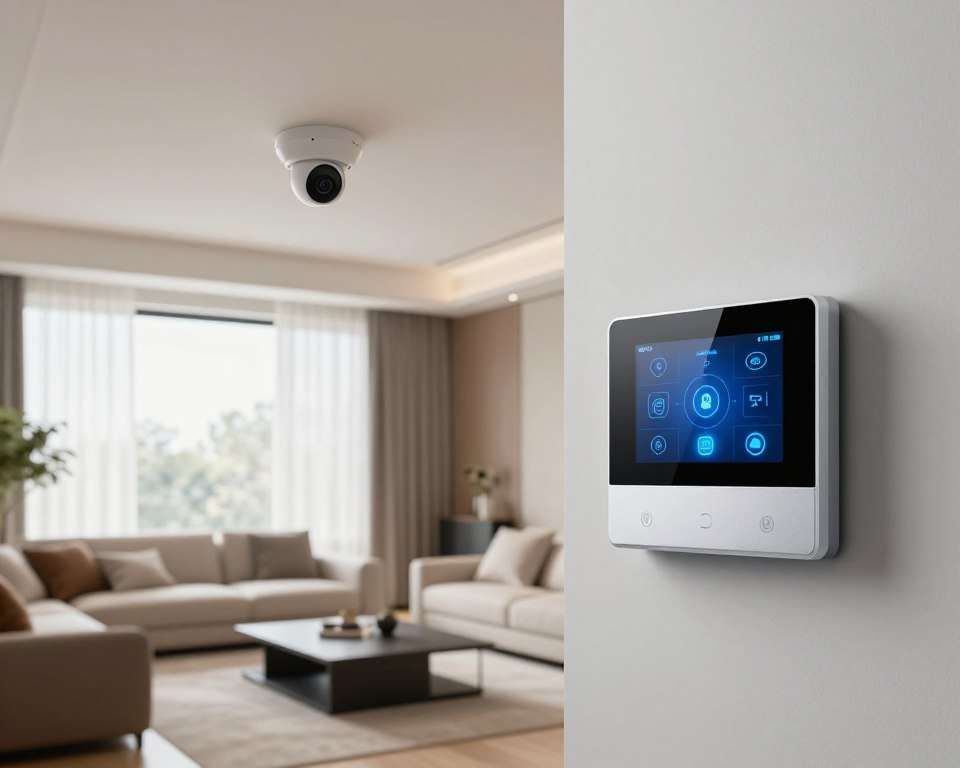
Did you know that a lot of burglaries happen because people don’t have the right security measures in place? As we adapt to modern life, protecting our homes has become quite important.
Smart home security systems have changed the way we keep our homes safe. These systems are a strong and effective technique to keep modern life safe because they use cutting-edge technology.
Homeowners may relax knowing that their property is safe 24 hours a day, 7 days a week by using a wireless home alarm security system. This not only keeps intruders away, but it also makes families feel safe.
Click On Read: – Wireless Home Security Cameras
Important Points
- Smart home security systems are quite important for modern life.
- Wireless home alarm security gives you better protection.
- Homeowners can feel safe with these systems.
- They help keep intruders away.
- Families are guaranteed a safe place to live.
The Basics of Wireless Home Alarm Security
Wireless house alarm protection is now an important part of smart home systems since it is a strong and adaptable way to keep homes safe. Wireless alarm systems are a good method to protect property without having to run a lot of wires.
How Modern Wireless Systems Work
Modern wireless home alarm security systems work by linking different sensors and detectors to a single control center. This hub talks to the homeowner’s smartphone or a monitoring service, making sure that dangers are dealt with quickly. These systems are safe and less likely to be hacked since they use powerful encryption.
Comparing Security Solutions for Wired and Wireless
There are a few things to think about while deciding between wired and wireless security systems. While wired systems are dependable, they take a lot of time and money to set up. On the other hand, wireless security systems are easy to install and can be expanded and customized in many ways. But they might be more likely to get interference and need to have their batteries checked often.
Ultimately, the decision between wired and wireless alarm security hinges on the homeowner’s individual requirements, the property’s configuration, and personal inclinations concerning upkeep and surveillance.
The main advantages of wireless home alarm security
More and more homeowners are choosing wireless home alarm protection since it is easy to use and has a lot of features that keep their homes safe. This change is mostly because wireless systems have a lot of advantages over wired ones.
Installation and setup are easy.
One of the best things about wireless home alarm security is how easy it is to set up. Homeowners may quickly and easily set up their security systems without having to run cables through walls or deal with complicated wiring setups. People can safeguard their homes without professional help, however they can get help if they need it. This is because the installation process is so easy.
Options for customization and expansion
You may add on to and change wireless home alarm systems a lot. Homeowners can start with a simple system and easily add more cameras, sensors, or other devices as they need them. This versatility makes sure that the security system may grow and change with the needs of the family. Adding new motion detectors or entry point sensors, for example, can make the security even better.
| Feature | Wired Systems | Wireless Systems |
| Installation Complexity | High | Low |
| Expandability | Limited | High |
| Remote Monitoring | Limited | Available 24/7 |
24/7 Remote Monitoring Capabilities
One of the best things about wireless home alarm protection is that you can keep an eye on your home from anywhere at any time. Homeowners can get real-time alerts, see live footage from security cameras, and even manage some parts of their security system from their smartphones. This capacity to observe your home from afar gives you peace of mind since you know that it is always being watched, even when you are not there.
Important Parts of a Full Wireless System
A whole wireless home security system has a number of important parts that work together to keep your house safe. These parts are meant to find and stop such threats, and they will let homeowners and the police know when they need to.
Control Hubs and Base Stations
The control hub, or base station, is the brain of the wireless security system. It connects and controls all the other parts. It talks to cameras and sensors, getting information and issuing alerts. A dependable base station is essential for the system to work well as a whole.
Sensors and Detectors for Entry Points
Entry point sensors are put on windows and doors to keep anyone from getting in without permission. These sensors set off an alarm when the circuit is interrupted, which could mean a breach. They are quite important for keeping intruders out of the house.
Sensors for motion and the environment
Environmental sensors watch for changes in temperature, humidity, and other elements, while motion sensors watch for activity inside the house. These sensors add another layer of security by finding possible dangers and letting homeowners know.
Cameras for security inside and outside
Security cameras let you see what’s going on around your home, which keeps burglars away and gives you proof if someone does break in. You may put cameras inside and outside in the right places to cover weak spots.
| Component | Description | Priority |
| Base Station | Controls and connects parts of the system. | High |
| Entry Point Sensors | These sensors can tell if someone is trying to get in without permission. | High |
| Motion Sensors | These sensors can tell if something is moving. | Medium |
| Security Cameras | let you see what’s going on; | High |
Smart Integration Features make life easier.
As we go into the age of smart homes, it’s becoming more and more necessary for wireless home alarm security systems to work with other devices. Not only does this integration make things safer, but it also improves the general quality of life by creating a smooth and controlled space.
Smartphone controls and alerts in real time
Being able to manage current wireless home alarm systems with cellphones is one of their most important advantages. This lets homeowners arm or disarm their system from anywhere in the globe, get alerts in real time, and keep an eye on their home’s security. Real-time alerts make sure that homeowners are told right away about any possible security breaches, so they can respond quickly.
Works with voice commands
Wireless home alarm systems that work with voice command systems like Alexa and Google Home are even more convenient. Homeowners may use voice commands to control their security systems, which makes it easier to keep their homes safe without having to touch the device.
Getting Smart Lights, Locks, and Thermostats to Work Together
Modern wireless house alarm systems can do more than just basic security tasks. They can also work with other smart home devices like lighting, locks, and thermostats. All of the technologies in this smart home ecosystem work together to make it safer, more convenient, and more energy-efficient. For example, you can arrange smart locks to lock all the doors and smart lights to switch off when the security system is armed.
How to Set Up Your Wireless Home Alarm System
Thanks to new technology, it’s now easier than ever to protect your house with a wireless alarm system. To get the most out of your security system, you need to set it up effectively.
Planning for the security of your property in a smart way
Before you put in your wireless home alarm security system, you need to find out where your home is weak. Find places where people can get in, including doors and windows, and think about how your property is laid out to find the best places to put cameras and sensors. A detailed security plan will assist make sure that your system protects your property in every way.
| Purpose of Security Measure | Typical Placement |
| Entry Point Sensors | Doors, Windows |
| Motion Detectors | Hallways, Living Areas |
| Security Cameras | Front Door, Backyard |
How to Install It Yourself in Steps
If you follow the manufacturer’s directions, setting up a wireless home alarm system can be a simple do-it-yourself project. Set up the base station and control hub first, and then install the cameras and sensors. Make sure that all of the devices are properly synced and tested to make sure they are working correctly.
When to Think About Hiring a Professional to Install
Many wireless security systems are made to be installed by the owner, but in some cases, you may need help from a pro. If your property is big or complicated, or if you don’t feel comfortable installing it yourself, you might want to hire a contractor. They can help you choose the best security systems for your needs and make sure the installation goes well.
You can feel safer and more at ease at home if you plan and install your wireless home alarm security system wisely.
Choosing the Best Wireless Security System
There are many wireless security options out there, so you need to think carefully about a few important things before choosing the best one for your home. The perfect system can provide you peace of mind and keep your family and possessions safe.
Finding out what kind of security your home needs
It’s important to think about your property’s individual security needs before picking a wireless home alarm system. Think about things like how big your property is, how many ways there are to get in, and any security measures that are already in place. Finding possible weaknesses will help you choose a system that meets your specific needs.
Think about how your way of living affects your security needs. If you spend a lot of time away from home, for instance, you might need a system that can monitor things from far away.
The Best Wireless Security Brands in the US
- Call
- SimpliSafe
- ADT
- Frontpoint
Every brand has its own features, prices, and ways to help customers. You can select the finest alternative for your needs by looking into these choices.
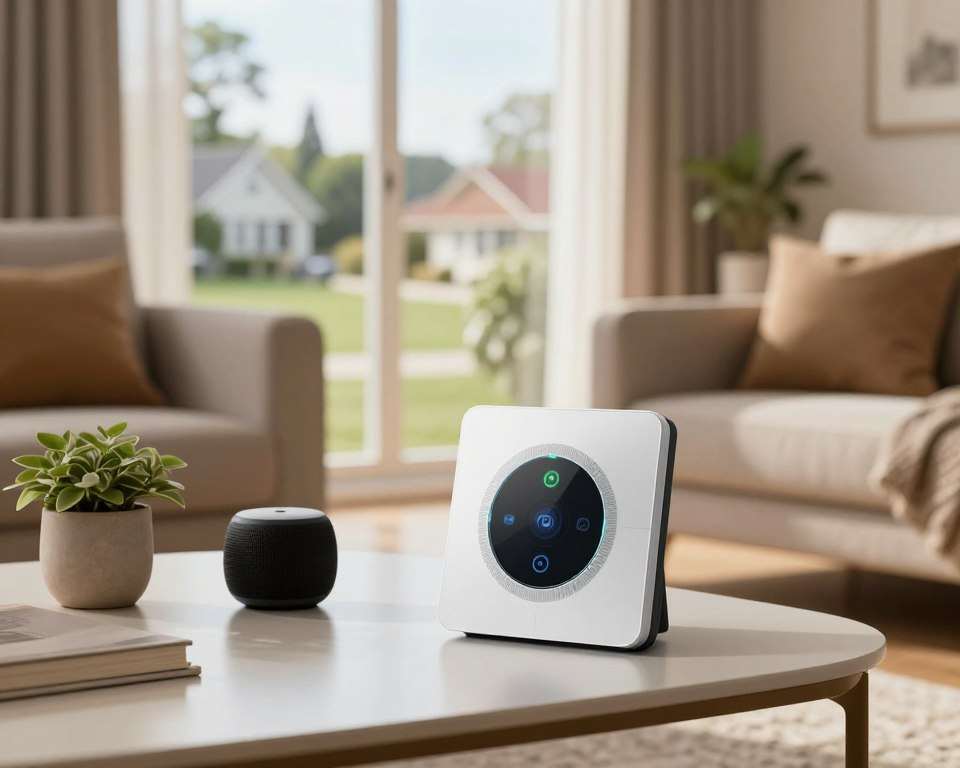
Getting to Know Monitoring Plans and Pricing Models
There are many different monitoring programs and price models for wireless security systems. To choose a system that meets your budget, you need to know about these possibilities. Some systems let you keep an eye on them yourself, while others need to be watched by a professional.
Look at the costs and benefits of each plan, taking into account things like the length of the contract, the monthly fees, and the cost of the equipment. This will help you make a smart choice and make sure you get the most for your money.
Conclusion: Using Smart Security for Peace of Mind
Wireless home alarm security systems are changing the way we think about protecting our homes, as we’ve seen throughout this article. These systems offer full safety and protection for households by combining the latest technology with the security needs of modern life.
It’s easy to see the benefits of wireless home alarm systems: they are easy to install, can be expanded, and can be monitored from anywhere at any time. These systems make homes safer and provide people peace of mind when they work with smart integration features like smartphone controls and voice command compatibility.
Homeowners may make sure their homes are safe from possible dangers by using smart security solutions. It’s easier than ever to discover a system that suits your specific home safety needs because the best brands offer a variety of monitoring plans and price options.
In the end, buying a wireless home alarm security system is one of the most important things you can do to protect your family and property. You may feel safer in your house and have peace of mind knowing that your property is safe by choosing a system that works with your modern security needs.
Questions and Answers
What is a house alarm system that doesn’t need wires?
Wireless house alarm security is a type of home security system that employs wireless technology to find and warn homeowners of possible security breaches, including burglars or fires, without needing to be connected to wires.
How do home security systems that don’t use wires work?
Wireless home security systems use a network of wireless sensors and detectors that talk to a central control hub or base station. If something happens, the hub or base station lets the homeowner or monitoring service know.
What are the advantages of wireless home security systems compared to wired ones?
There are several benefits to using wireless home security systems. For example, they are easier to install, more flexible, and you can add to or change the system as needed without having to run wires, which can be a pain and cost money.
Can I check on my wireless home security system from a distance?
Yes, most current wireless home security systems let you check on them from afar using smartphone apps. This lets homeowners get alerts, see live footage, and control their system from anywhere.
Do wireless home security systems work with other smart home devices?
Many wireless home security systems work with other smart home devices, including Amazon Alexa, Google Home, smart locks, and smart thermostats, to make your house more automated and secure.
How do I pick the best wireless home security system for my needs?
When picking the best wireless home security system, think about things like your house’s specific security needs, the system’s features and capabilities, and the provider’s monitoring plans and pricing models.
Can I set up my own wireless home security system?
Yes, a lot of wireless home security systems come with easy-to-follow instructions and user-friendly interfaces so that you can install them yourself. However, some homeowners may choose to have them professionally installed.
How much does a wireless home security system cost?
The price of a wireless home security system depends on the provider, the system’s features and capabilities, and the monitoring plans chosen. Some companies provide flexible pricing models and deals.
Are wireless home security systems safe from hackers?
Good wireless home security systems use strong encryption and security protocols to keep hackers out. However, it’s important to choose a provider that puts cybersecurity first and takes steps to stop people from getting in without permission.