
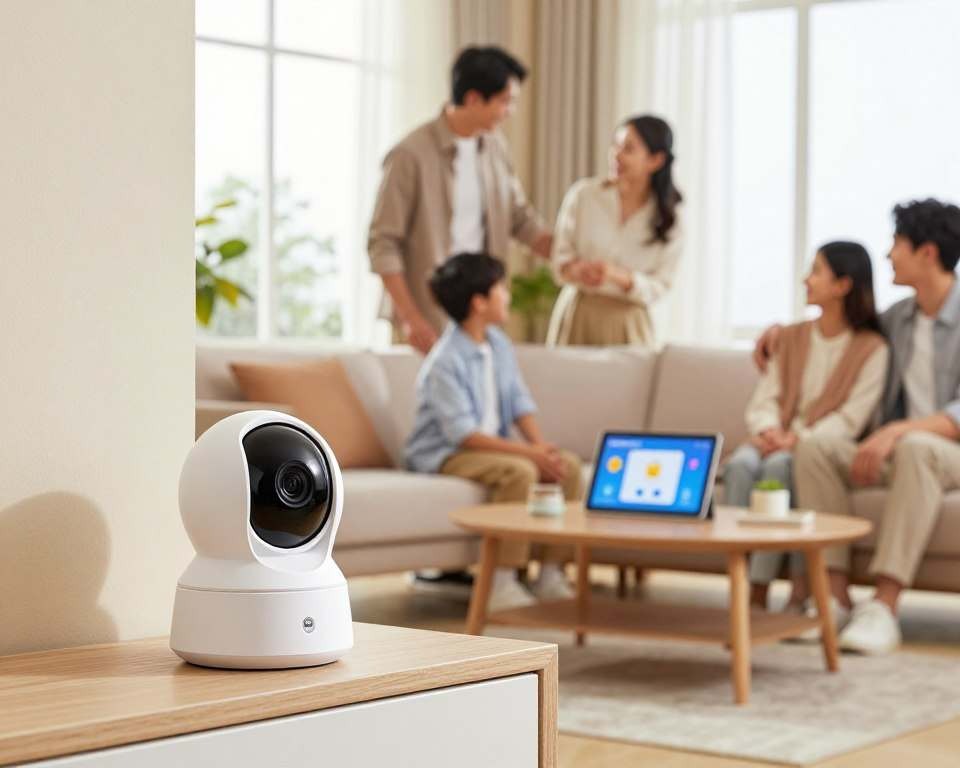
Are you still using a regular phone line for your home security system? Home security technology has come a long way since those days. Now a system using wireless technology is way more flexible and reliable than an old phone line.
Home security system without phone line offer features such as better protection and more ways to monitor your home even when you’re not there. Everyone wants to protect their home and family and you still may be using an old phone line system to achieve that goal.
Click On Read: – Wireless Home Alarm Security
Key Takeaways
- Home security technology keeps improving creating flexible options.
- Systems without phone lines offer better security.
- Systems that keep you updated with information in real-time.
- Adaptable technology puts you ahead of your changing needs.
- Technology keeps improving creating a more efficient system.
The Evolution of Home Security Systems
Home security systems have evolved with technology and time to make systems more convenient and with more options for customer safety.
First Generation Home Security
Home Security systems that used a standard phone line were a big leap forward for user home security. These systems used a physical connection to the phone line to communicate with a security monitoring company. While this was and still is a good enough system, there are a lot of problems with it including the phone line being cut, broken, or disabled. An example of this would be a burglar cutting a phone line to disable a home security system, risking police and emergency response.
- Reliant on physical phone line connections
- Vulnerable to phone line cutting or tampering
- Compared to modern systems, limited functionality
The Advancement of Home Security with Wireless Technology
Home security innovations make systems easier to access and more secure. Wireless systems can use a wifi connection or a cellular network to communicate with the security monitoring company which makes them more secure, because the systems can’t be tampered with. In addition, new home security technologies have created more secure ways to receive alerts and control home security systems.
The Systems Limitations
As technology in home security advances the limitations of the systems using a standard phone line become more obvious. Systems that provided peace of mind to homeowners for decades are now incredibly ineffective in a vast number of ways.
Vulnerable to Phone Line Cutting
The most prominent downside to phone line security systems is that they can be cut. Security systems will be rendered useless if criminals cut the phone lines. This is a reason they are not dependable for home protection.
Reliance on Old System
Older security systems that operate on a traditional phone line rely on faulty/old systems that can malfunction at any time. This outdated infrastructure is a large part of why a security system lacks reliability. This also is a part of why it cannot connect with new smart home systems. A security expert said, “The dependence on outdated infrastructure is a significant weakness in traditional security systems.”
Limited Features
An additional limitation to older security systems is the lack of advanced features that new systems possess. Older systems also lack the flexibility that new, wireless systems possess. Wireless systems allow users to monitor and control the system from a smartphone. This is why the user experience is very limited with older systems. “Modern security needs demand more than what traditional phone line systems can offer.”
In conclusion, older security systems are outdated in features and technology. Offering less capability compared to new systems, they are much less appealing for home security. They also have the downside of vulnerability to line cutting and rely on outdated technology. As time progresses, new home security systems should be considered.
How a Security System Works Without a Phone Line
The latest home security systems are designed to provide the greatest comfort to the user. They do not need a home phone line to provide home protection 24 hours a day.
Cellular Signals
Security systems do not require home phone lines because they use cellular signal technology. Just like a smartphone, cellular-based security systems provide a reliable connection, and are less likely to be compromised than landline-based systems. These security systems allow you to monitor your home from anywhere.
Systems Using Wi-Fi
Newer home security systems can use your home’s Wi-Fi connection to talk to monitoring centers and to your mobile devices. These security systems can be integrated with other home automation devices, and give you the ability to provide access control to other users. They provide real-time messages, allowing you to always know the status of your home’s security.
Radio Frequency (RF) Systems
Radio Frequency (RF) systems have control panels that transmit signals to and from devices like sensors and cameras that are installed throughout your home. These systems are reliable and more secure than internet-based systems if your home does not have a strong internet connection.
A security experts states:
“The reliability and effectiveness of home security systems have improved due to the incorporation of advanced and varied methods of communication.”
Benefits of Wireless Home Security Systems
Using technology in wireless home security systems offers numerous benefits and systems have become more reliable and preferred by homeowners.
Reliability and Security
In addition to reliability, the impenetrability of the systems make them more secure since there are no vulnerable physical components, such as phone lines, to cut or tamper with. Wireless systems are secure and unending lines.
Remote Monitoring and Control
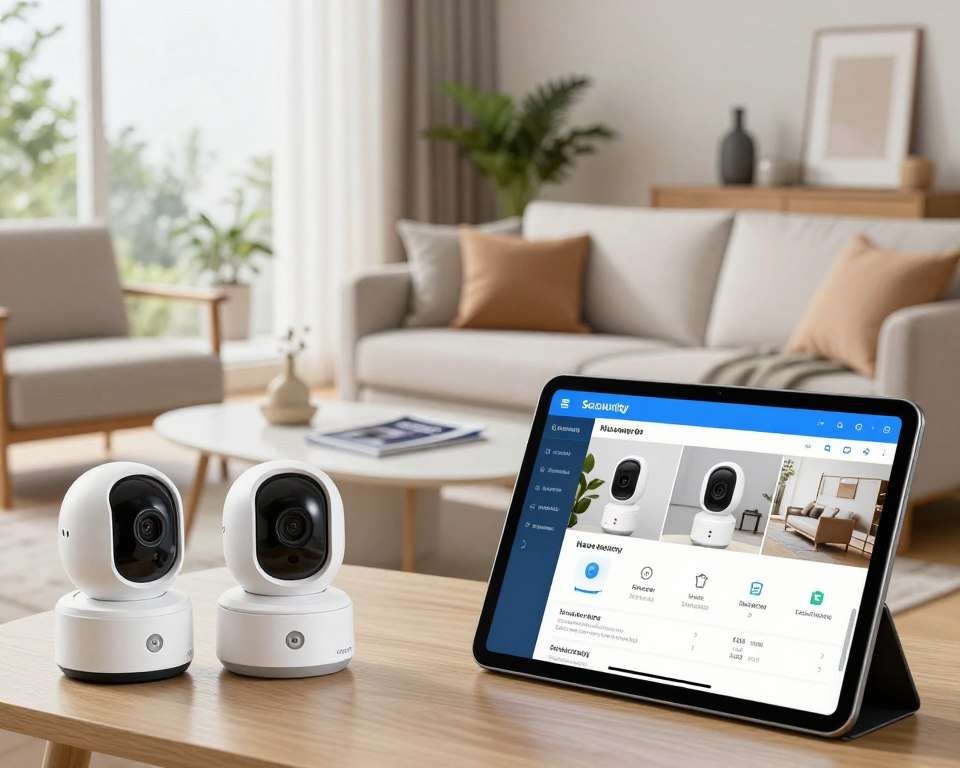
Remote access to monitoring and lockdown features systems are a huge advantage. Wireless systems allow you to monitor and control from anywhere as long as your device is functional and locked.
Smart Home Device Integration
With other smart home devices,advanced home security-devices can also be integrated for added functionality and security. Integration with additional smart devices makes automation more enhanced and convenience features to the systems.
Homeowners and renters both appreciate the flexibility these systems provide. They can be installed and removed as needed which works well for people who can’t put in permanent security systems.
Wireless residential security systems are the most robust and convenient security solution for renters and homeowners.
In the past home security systems focused on services which hinged on the use of landline phones. The market base for systems has grown considerably and has diversified since that time.
Cellular Home Security Systems
Cellular home security system without phone line stay in touch with monitoring centers the same way mobile phones do. They don’t use landlines or the internet which makes them more reliable and secure than internet based systems. These systems are very useful in the absence of fast internet service and when reliable mobile service is available. They are a good solution for homeowners who want to keep things simple and secure.
Wi-Fi Security Systems
Wi-Fi security systems can be managed from a smartphone or a tablet since their monitoring systems can be adjusted via the internet. These systems are flexible; since they can notify homeowners in real-time, they can be customized to work with other smart systems. This, however, does depend on the homeowner’s internet service, which is a drawback if they live in an area with spotty or limited internet.
Hybrid Systems
If a homeowner wishes to have more flexible systems with reliable internet service, a hybrid such as cellular and wi-fi systems are the way to go. Hybrid systems are able to switch autonomously between their multiple communication systems so the homeowner is able to have a fully operational security system at all times. These systems tend to be the best as they provide a great balance between reliability and flexibility.
As more wireless home security systems are developed and released to the public, more and more questions are raised. These questions should be answered so more and more people can put their trust into the wireless home security system.
Contingency Plans for Internet Outages
Modern home security systems can act in an autonomous fashion, even when the internet is down. Some systems may temporarily lock until a reliable connection is reestablished. Because of this, many users remain skeptical about the internet-based wireless security systems. The good news is that many wireless security systems now have features like cellular data that allow them to remain functional, even when the internet is not.
For example, some system backups using cellular data ensure that the system remains functional when users lose an internet connection. This means that a home is secure and unaccessible to the outside internet, guaranteeing the highest level of protection and privacy.
Solutions for Battery Backup Systems
A dead battery could also let the system down and leave a home vulnerable to threats. Because many users turn to wireless security systems to gain protection from home invaders, therefore the battery that powers wireless security devices. To resolve this, many systems implement battery backup solutions or low battery alerts to ensure that devices are operational. Other systems include backup batteries and even notifications when they need to be recharged.
The chart below compares several battery backup solutions:
Type of Battery | Average Lifespan | Low-Battery Alarm | Rechargeable
Lithium-Ion | 2-3 years | Yes |
Standard Alkaline | 1-2 years | Yes |
NiMH Rechargeable | 1-2 years | Yes
Privacy and Data Security
Homeowners also worry about the privacy and the data that is gathered by the wireless security systems. Because of these worries, many manufacturers attempt to encrypt sensitive data that is sent between monitoring devices and the secure cloud to prevent problems when homeowners are accessing the security systems.
Looking into different aspects helps homeowners evaluate their most pertinent security needs and identify the most appropriate wireless security options.
How to Pick the Right Wireless Home Security System
Without proper guidance, picking the right wireless security systems for your home can be challenging. Since there are many systems to choose from, it is important to consider several criteria to help narrow your options down.
Understanding your home’s needs
It’s important to understand your home’s unique needs when considering the purchase of a wireless security system. Think about your home’s size, the number of potential entry points, and the specific security needs you are trying to address. If you have a large area to protect, for example, you may require a system that has a longer detection range, or one that has extra sensors.
DIY vs Professional Monitoring Options
When choosing your home monitoring system, one of the most important factors is whether you want it to be fully DIY, or if you want some professional components. DIY systems come with a lot of flexibility, and let you monitor the home yourself via an app, which can harbor some cost savings. However, with professional monitoring, you have an extra layer of security since trained professionals monitor your system and will respond to alerts at any time, day or night. In the words of one security expert,
“Professional monitoring can be the difference between a timely response to a security breach and a delayed reaction.”
Integration With Current Smart Home Devices
When choosing a security system, it is equally important to consider your current or future smart home devices. When selecting Wi-Fi security systems, be sure to choose those systems that will integrate well with your smart home devices and systems. If you want to be able to manage your security system alongside and with the same devices as your smart home systems, you may want to choose one that allows for integration with Google Assistant or Amazon Alexa.
Conclusion
In the modern homes of today, a home security system without phone line is a necessity. As shown, using a line based system contains a multitude of vulnerabilities and is reliant on outdated technology, as well as line cutting.
Upgrading to a wireless home security system without phone line also benefits users with Information, Reliability, and Confidence. Users can monitor and control systems, and integrate smart home devices. Homeowners can choose a system that fits their needs, whether that’s pure cellular, Wi-Fi, or hybrid solutions.
Homeowners can relax with their new system and rest assured their property and family members are safe and protected. Flexible and convenient wireless home security systems are great for renters and ideal for homeowners.
Peace of mind comes with investing in a home security system without phone lines, as long as adequate options are chosen. It’s best to determine your home’s specific needs so you can choose a system that fits your lifestyle
FAQ:
What is a home security system without a phone line?
A home security system without a phone line uses cellular communication, Wi-Fi, or RF to connect to a monitoring center and can eliminate the need for a landline phone.
How do home security systems work?
Home security system without phone line that use Wi-Fi and other technology like cell phone and radio frequency systems can be used to keep in touch with monitoring centers and provide remote access to the security system.
Are home security systems reliable?
Wireless home security systems can be considered reliable. Wireless home security systems use security measures like encryption.
Can security systems be monitored remotely?
Most wireless home security systems can be controlled and monitored remotely via a web portal and an app.
What do I do if my internet is down?
Some wireless home security systems use a system where if the internet is down, the system will use a cellular backup system and other alternative means to maintain monitoring and security.
How do I find the best home security systems?
There are a couple of things to think about when choosing a security system. You will want to consider things like the size of the home needing the system, monitoring capabilities and how the system integrates with devices.
Do wireless home security systems work with smart home devices?
Most wireless home security systems offer integration with popular smart home devices and ecosystems for added convenience and automation.
What other advantages do wireless home security systems offer?
Added security and reliability, as well as flexibility and remote control options, provide peace of mind for both renters and homeowners alike.