
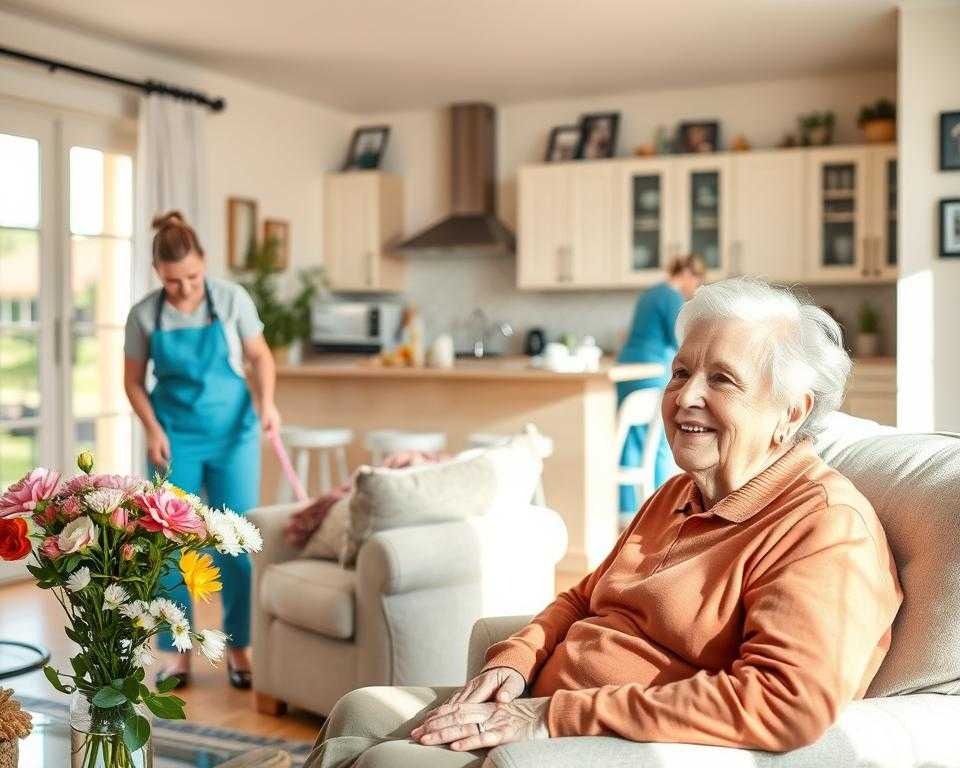
Can the effect of living surroundings on the wellbeing of aged children be positive? Living surroundings strongly affect the wellbeing of the aged children in a positive way.
For the aged children, a clean, safe, and devoid of clutter environment lessens the chances of accidents, as well of the debilitating and chronic diseases, and provides the other needed psychological comforts. The importance of home cleaning for the elderly in preserving the psychological comfort of the living space should not be underrated.
For aged children to be able to improve the psychological comforts of their remaining years, a hygienic, safe and clean environment should be provided. It is then that the importance of Elderly Cleaning Services for the wellbeing of aged children becomes evident.
Key Takeaways
A hygienic environment is vital for the wellbeing of aged children.
Cleaning Services provides comfort as well as a safe environment.
Elderly Cleaning Services is vital for a safe environment to improve psychological wellbeing.
Elderly Cleaning Services positively impacts health.
Improvement of Aged Children Wellbeing and Health
Clean spaces, aged children psychologically feel safe. The sanitary spaces lower the chances of developing health complications.
The health benefits of clean living environments for older adults include reducing the risks of falls as well as improving respiratory health. Removing clutter reduces tripping hazards, while dust-free environments help individuals with asthma.
Click On Read: – essential oils for home cleaning
Health Benefits of Clean Areas
For older adults, clean spaces help with the health detriments of exposure to allergens, dust, and pathogens, as well as the risks of infections. With regular cleanings of living areas, the infections of open areas are contained, while safe spaces are maintained for older adults to live in.
- Lower clutter to reduce falls
- Remove dust and allergens to improve respiratory health
- Regular disinfection to reduce infections
Mental and Emotional Benefits of Organized Spaces
Organized living spaces also help with the mental health of older adults. Clutter-free environments reduce stress and promote calm and comfort.
Having an organized home with home cleaning for the elderly allows one to improve mental clarity, while also increasing emotional health, thus improving the quality of life.
The Cleaning Challenges Seniors Face
Various age-related declines can lead to mobility, vision and cognitive function challenges. For older adults, various age-related inhibitors can lead to deteriorating levels of cleaning and maintenance to safe environments.
How Limitation of Mobility Affects the Ability to Clean
Mobility issues can be a major barrier to older people keeping their homes clean. Further, the cleaning tasks that require bending, stretching, or lifting a weight or a container can prove to be very difficult due to diminished strength, arthritis, and joint pain. Aiding vacuuming and moving containers that hold cleaning materials can become straining activities and seem impossible without help.
How Vision and Cognitive Changes Determine Action Sequencing to Dust
Ageing is often accompanied by decline in vision and cognitive function. Aged people with diminished vision may miss dust, dirt, and stains that need removal. Decline in cognitive function may include loss of memory required to follow cleaning procedures or loss the mental capacity to maintain cleaning order and sequence.
Energy Conservation Needs for Elderly People
Energy conservation is a problem many older people have. Stacking and cleaning activities in a row can become overwhelming. The required effort may be unsustainable for those who have diminished energy reserves. For older people, the sequence of cleaning tasks and the overall cleaning plan need to be arranged in a way that the person can avoid fatigue while saving energy.
Caregivers and family members can better understand how to help older people be able to clean their homes by recognizing the problems. This may include helping with cleaning, modifying cleaning activities, or using cleaning aids that make the tasks simpler.
Security Through Cleaning: Building Safe and Secure Spaces
While some people think of cleaning as a means of achieving order and tidiness, it may also be a way to make the environment and the setting safe, positive, and importantly, healthy for elders. An organized and cleaned home environment improves the quality of life of the elderly and decreases the likelihood of accidents.
Organized Spaces and Decluttering to Reduce Fall Risks
Falls pose a great risk, especially to the elderly, and cluttered living environments increase this risk. A home cleaning for the elderly approach that includes proper organization can help remove fall risks by eliminating tripping hazards, from loose clutter to rugs and cords.
To reduce fall risk:
- Ensure walkways are clear and well-lit for movement
- Loose rugs should be secured with double-sided tape
- Clutter should be minimized by storing items in designated places
Revamping the Living Space to Minimize Respiratory Risks
The senior living environment is critical in ensuring positive respiratory health and may have a great impact. Dust, mold, and other communicable allergens may worsen chronic acuity illnesses such as asthma and COPD.
To mitigate respiratory risks:
Dust and vacuum your surfaces on a regular basis.
For enhanced airborne pollutants, use a HEPA-filter vacuum.
Control and cut excess moisture to reduce possible mold growth.
Safely Managing Cleaning Supplies
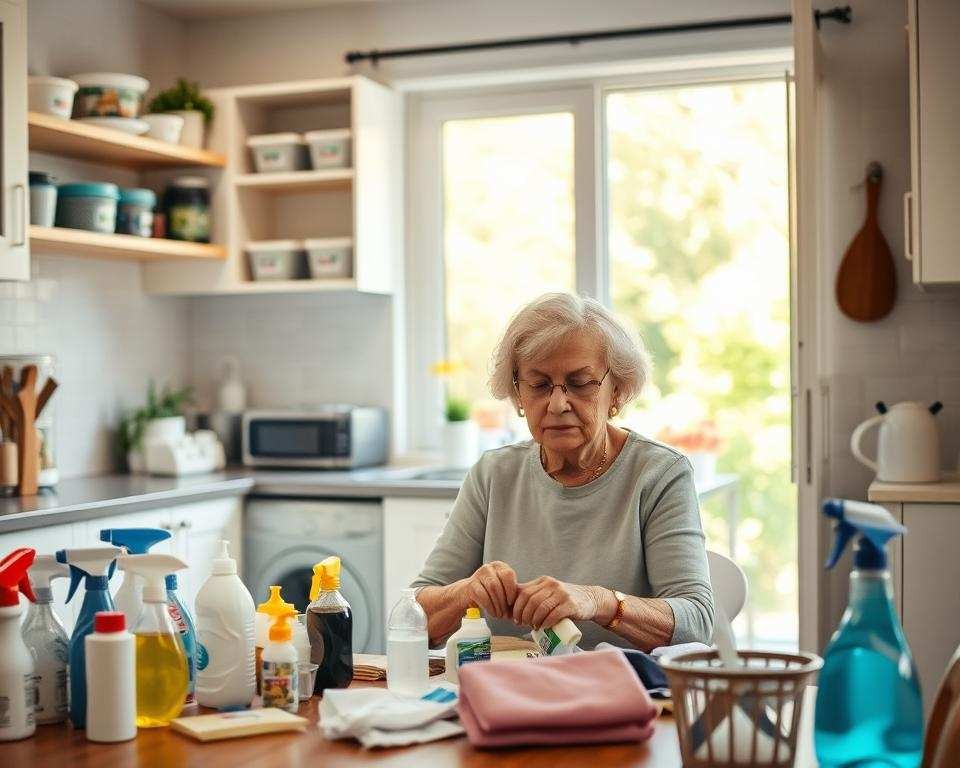
While the act of cleaning creates a safe and healthy environment, cleaning supplies can also create a hazard if managed poorly. Cleaning products often contain potent and harmful chemicals that can be risky if ingested, inhaled, or if they contact skin.
To safely manage cleaning supplies, the following safe practice will yield the designated benefit:
- Store cleaning supplies in a locked cabinet. This will prevent accidental ingestion or exposure.
- Use non-toxic or eco-friendly cleaning products. This will reduce the risk of chemical exposure.
- Identify and safely label all cleaning supplies. This will ensure easy identification and safe handling.
By following these practices, seniors and their caregivers can create a safe, healthy environment for living that enhances their quality of life.
Home Cleaning for the Elderly: The Additional Areas and Tasks that Should be Prioritized
A clean home environment helps support the health and safety of an elderly individual. If the home is poorly maintained, it can become a potential hazard for the elderly. Important cleaning tasks and areas should be prioritized to prevent health risks and improve the living aspects of a home.
High-Touch Surfaces and Infection Prevention
Surfaces that are frequently touched include door handles, light switches, and remote controls, and are constantly multiplying bacteria, thereby increasing the infection risk. Pathogen-destroying disinfectants help mitigate the risk of infections and illnesses associated with the surfaces.
Bathroom Sanitation for Senior Safety
In regard to elderly care, the bathroom is one of the most important places that needs to be cleaned. Bacteria and mold can accumulate in bathrooms and result in infections that affect the respiratory system. Each of these elements increases the risk of falls and infections. Regular cleaning of the shower, fixing bathtubs, ensuring the toilet is cleaned, and keeping the floor free of slippery substances.
Kitchen Cleanliness and Food Safety
For our health, the safety of the food we eat is a priority, and cleaning the kitchen is the first step. Regularly cleaning and disinfecting countertops, sinks, and stoves, as well as proper food storage and waste disposal, prevents the accumulation and spread of bacteria, and thereby, the risk of food contamination.
| Area | Essential Tasks | Frequency |
| High-Touch Surfaces | Disinfect door handles, light switches, remote controls | Daily |
| Bathroom | Clean shower, bathtub, toilet; ensure floor safety | Daily/Weekly |
| Kitchen | Clean countertops, sinks, stoves; proper food storage | Daily |
Home cleaning for the elderly can maintain a safe and healthy living environment by focusing on these essential areas and cleaning activities. Cleaning more frequently enhances wellbeing and quality of life and prevents complications from declining health.
Room-by-Room Cleaning Guide for Senior Homes
This approach provides a practical way for seniors to manage their living spaces. A room-by-room cleaning approach ensures no sections of the home are overlooked and all parts are safe and comfortable.
Bedroom Organization and Dust Control
A bedroom is a seniors’ sanctuary, and cleaning it is as important as cleaning it. Dust is a respiratory irritant; therefore, regular cleaning of surfaces with a damp cloth is essential to control dust. In addition to dust control, organizers for closets and dressers will unclutter the room and make clothing and other personal items more accessible.
Living Area Maintenance and Accessibility
Seniors tend to spend most of their time in the living room, which is frequently the main area of the home. It is important to ensure this space is tidy and easily accessible. Removing excess clutter and rearranging furniture to enhance mobility is important for fall prevention. In addition, the space will be healthier as a result of routine vacuuming and dusting.
Entryway and Hallway Safety Considerations
Entryways and hallways are high-traffic areas that require special attention to ensure safety. Removing clutter and securing loose rugs can significantly reduce the risk of falls. Installing handrails and ensuring adequate lighting can also enhance safety and accessibility, making home cleaning for the elderly better.
Use of Outdoor Areas and Porches
For seniors who like spending time outdoors, porches, patios, and other outdoor areas are valuable. It is important to keep these areas clean and free of debris. Safety and the overall ambience of these areas will be improved with regular sweeping and cleaning of the outdoor furniture.
This room-by-room cleaning guide will help seniors keep their home clean, safe, and comfortable. In turn, this enhances their living environment as well as their overall health and wellbeing.