

The news of an 80 year old furniture business closing often shocks customers, employees, and even competitors. A company that survived wars, recessions, market crashes, and changing consumer tastes suddenly shutting its doors raises one unavoidable question: what went wrong?
Furniture businesses with such long histories are usually family-run, deeply rooted in their communities, and trusted by generations. Yet in recent years, we’ve seen more headlines about century-old and multi-decade furniture brands closing down. This article explores the real reasons behind the closure of an 80-year-old furniture business, what lessons can be learned, and whether this trend signals a deeper shift in the furniture industry.
Click On Read: – Wireless Home Alarm Security
A Legacy Built Over Eight Decades
An 80-year-old furniture business doesn’t reach that milestone by accident. These companies often began as small workshops or showrooms, growing steadily through word-of-mouth, craftsmanship, and customer loyalty.
For decades, such businesses thrived because they offered:
- Solid wood furniture built to last
- Personalized customer service
- Trust earned through consistency
- A strong local reputation
Many survived earlier challenges such as economic downturns, rising rent, and even competition from big-box stores. So why is an 80 year old furniture business closing now, after doing well for so long?
Rising Costs Crippling Traditional Furniture Stores
One of the biggest contributors to an 80 year old furniture business closing is the sharp rise in operating costs.
Key cost pressures include:
- Rent increases in prime retail locations
- Higher utility bills
- Rising labor costs
- Increased raw material prices (wood, foam, fabric, metal)
Older furniture businesses often operate from long-established showrooms that were once affordable. Today, those same locations may have rents that have doubled or tripled. Unlike large chains, independent businesses struggle to absorb these increases without raising prices and higher prices can drive customers away.
Failure to Adapt to E-Commerce and Digital Marketing
Another major reason behind an 80 year old furniture business closing is the slow or failed transition to online selling.
Modern furniture buyers:
- Research online before visiting a store
- Compare prices across multiple websites
- Expect clear product images, reviews, and delivery options
- Often prefer buying directly online
Many traditional furniture businesses relied heavily on foot traffic and repeat customers. Without:
- A strong website
- SEO visibility
- Online catalogs
- Social media presence
they gradually lost relevance. When customers stopped walking in, sales declined sometimes too slowly to notice, but fast enough to become fatal.
Changing Consumer Preferences
Furniture trends have changed dramatically over the last two decades. An 80 year old furniture business closing often reflects a mismatch between what it sells and what modern buyers want.
Major shifts in buyer behavior:
- Preference for modern, minimalist designs
- Demand for multi-functional furniture
- Interest in flat-pack and space-saving options
- Faster buying cycles and trend-based purchases
Traditional furniture stores often focused on heavy, long-lasting pieces meant to last decades. Today’s buyers, especially younger generations, prioritize affordability, flexibility, and style over longevity.
If a business fails to refresh its product range, it risks becoming outdated — no matter how strong its legacy is.
Competition From Big Brands and Online Giants
Large furniture chains and online marketplaces have dramatically reshaped the industry. This is another key factor behind an 80 year old furniture business closing.
Big competitors offer:
- Lower prices due to bulk manufacturing
- Nationwide or global delivery
- Aggressive online advertising
- Easy financing options
Small, independent furniture businesses simply cannot compete on price or scale. Even loyal customers may turn elsewhere when faced with significant cost differences.
Supply Chain Disruptions and Global Crises
Recent global events have placed enormous strain on traditional businesses. For many, this was the final blow that led to an 80 year old furniture business closing.
Challenges included:
- Delays in raw material supply
- Shipping cost spikes
- Shortages of skilled labour
- Reduced consumer spending during uncertain times
While large corporations had financial buffers, smaller furniture businesses often operated on tight margins. A few months of disruption were enough to push them into irreversible losses.
Succession and Leadership Challenges
Many long-standing furniture businesses are family-owned. One often-overlooked reason behind an 80 year old furniture business closing is the lack of succession planning.
Common issues include:
- No next generation willing to take over
- Internal family disputes
- Resistance to new ideas from younger leadership
- Burnout after decades of operation
Without fresh leadership or a clear transition plan, even profitable businesses may choose closure over uncertainty.
Emotional Cost of Closing a Legacy Business
Beyond finances, the closure of an 80-year-old furniture business is emotionally devastating. Owners often describe the decision as one of the hardest of their lives.
These businesses represent:
- Family history
- Community identity
- Personal sacrifice across generations
Unfortunately, emotional attachment alone cannot keep a business alive in a rapidly changing market.
Lessons From an 80 Year Old Furniture Business Closing
While the story is sad, it offers valuable lessons for other furniture retailers and home décor businesses.
Key takeaways:
- Adapt early to digital trends
- Invest in SEO and online visibility
- Refresh product lines regularly
- Control costs aggressively
- Plan succession well in advance
Heritage is powerful, but adaptability is essential.
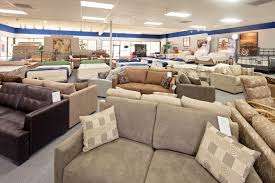
Is This the End for Traditional Furniture Businesses?
Not necessarily. While many headlines focus on an 80 year old furniture business closing, others are successfully reinventing themselves.
Businesses that survive are:
- Combining craftsmanship with modern design
- Selling online alongside physical stores
- Using storytelling and brand heritage as marketing assets
- Embracing customer experience, not just products
The furniture industry isn’t dying it’s evolving.
Frequently Asked Questions (FAQs)
Why are so many old furniture businesses closing now?
Rising costs, online competition, changing consumer behavior, and failure to adapt digitally are the main reasons.
Is an 80 year old furniture business closing a sign of poor quality?
No. Many closed businesses produced high-quality furniture but struggled with modern business challenges rather than product quality.
Can traditional furniture stores survive today?
Yes, if they adapt by selling online, updating designs, and improving marketing strategies like SEO and social media.
What can new furniture businesses learn from this?
Legacy alone is not enough. Flexibility, innovation, and digital presence are critical for long-term survival.
Does closing mean bankruptcy?
Not always. Some owners choose to close voluntarily due to retirement, lack of succession, or declining margins.
Final Thoughts
An 80 year old furniture business closing is not just a business story it’s a reflection of how fast markets change. Longevity is admirable, but survival now depends on innovation, adaptability, and understanding modern customers.
For furniture brands willing to evolve, the future still holds opportunity. For those that don’t, even eight decades of success may not be enough.