
Do you feel vulnerable in your own home? Because of new smart technology, you can now protect your home and family with secure solutions.
There are many pros and cons with wireless home security cameras systems, they can help keep your home safe and provide evidence if a crime does occur.
What home security systems have is the ability to keep you and your family safe.
Click On Read: – How to Make Porridge in Grow a Garden
Main Points
- Safety and protection of loved ones
- Simple set up that takes little time, and no hassle
- High tech features (motion detection, smart alerts)
- Ability to watch your home from any where
- Works seamlessly with your other smart devices
Importance of Home Security Cameras
As crime rates continue to soar, the need for home surveillance systems has become a necessity. Home security systems are no longer an option, but a requirement for home owners who wish to protect everything that they care about.
Escalating Statistics on Property Crime
The statistics on property crime, including burglary and theft, reveal a grim picture. More than 1.4 million burglaries, as per the FBI Uniform Crime Reporting (UCR) Program, take place annually in the USA. The presence of home security cameras can deter potential intruders, as they may get recorded and face the consequences of legal action.
| Year | Burglary Rate per 1,000 Households | Estimated Number of Burglaries |
| 2018 | 3.41 | 1,206,802 |
| 2019 | 3.24 | 1,167,096 |
| 2020 | 2.94 | 1,401,840 |
Peace of Mind While Away from Home
Home surveillance cameras help keep intruders away and help the surveillance system owner keep intruders off the property and allow the owner to keep on monitoring the property and the surroundings. Most of the surveillance camera systems offer mobile apps that allow the owners to check live feeds of the property, get notifications of the intruders, and speak to the intruders with the two-way communication feature.
With the investment of a home surveillance camera system, the system owners can enjoy the entire property and enjoy peace of mind, knowing the property is secure and being monitored anytime.
How Home Security Cameras Function
Using a home security camera system has changed from using a security system with only a camera to a system to one with Wi-Fi, Bluetooth, and even built-in cellular connectivity.
Security Camera Connections
Security systems can connect to a home system using Wi-Fi, Bluetooth, and even cellular. Wi-Fi is the best method for creating a connection because little to no lag is realized and it is stable and secure. Bluetooth can be used, however, it is better suited for connecting to other devices and not for internet browsing. When the other connection method is not available, however, using cellular data can provide a workaround.
Power Options
The methods used to provide power to the camera system can be classified as either battery powered or plug-in systems. A plug-in system will provide a constant and unending power supply, while a battery powered system will allow for greater flexibility with camera placement. Plug-in systems will not allow freedom as they will be limited in placement only usable at an outlet.
This camera must be battery powered in order to be used in wireless security. A security camera must be powered by a battery in order to be wireless. These methods will allow for the best flexibility with security systems in order to allow for the best flexibility while also allowing for the best environment. From here, it is best to utilize the above information to select the security camera system that best compliments your smart home needs.
Crucial Aspects When Choosing Wireless Home Security Cameras
There are a number of key factors to consider in order to ensure the effectiveness of the wireless home security cameras. Among these factors are the quality of videos provided, the ability to detect motion, and notifications in the event of a security breach.
The Level of Video Quality in Addition to the Ability to See in the Dark
In order to attain the identification of faces and objects, the videos need to be of high definition quality. Should the lighting be low, night vision that is typically provided by infa-red LED lights, keeps the cameras effective. Security expert Bruce Schneider states, “The most important thing is to have a camera that can see at night.”
“Security is not just about technology, it’s about people and processes.”
The Ability to Detect Motion Along with Smart Alerts
The capability of the camera to notify you when an event is detected, is an important feature of security cameras. In terms of smart alerts, the cameras notify you of security threats rather than providing false alarms.
The Ability to Talk with the Camera and Built-in Sirens
Sometimes, the ability of a built-in siren to coax intruders away from an area provides peace of mind. Additionally, the built-in sirens can provide a level of confidence during an event.
Cloud Vs. Local Storage
There are two ways to store your data: local storage (SD cards, NAS systems) and cloud storage. Local storage does not require internet access, and you won’t have to pay cloud subscription fees. But, you won’t have the same off-site security and convenience as you would have with cloud storage.
Cloud and local storage both have pros and cons. Think about your storage needs before making any decisions.
Indoor Wireless Home Security Cameras
There are many different types of indoor wireless security cameras. They help monitor the inside of the house, your pets, and your children. Indoor wireless security cameras are small and blend into the house’s design. They have functions like night vision and motion detection which can help monitor activities and send movement alerts to your smartphone.
Outdoor Cameras
Outdoor cameras protect your home by monitoring its exterior. Weatherproof cameras have features like housing that withstands various extreme conditions and infrared night vision to operate in darkness. More advanced units may offer facial recognition and smart alerts that help discourage intruders.
Doorbell Cameras
Doorbell cameras help to enhance security by enabling homeowners to communicate with people at their door. Through two-way audio, homeowners can hear and speak to their visitors, and some units offer advanced features like motion detection to notify homeowners of suspicious visitors or activity.
Pan-Tilt-Zoom Cameras
With the ability to monitor larger areas with a single camera, pan-tilt-zoom (PTZ) cameras are a flexible option. These units are able to pan and tilt to help capture various angles, and can zoom in to focus on specific locations. PTZ cameras are the best option for bigger outdoor or indoor spaces.
This guide will help you choose which of the available wireless home security cameras best fit your smart home requirements. Solutions are available to fit your needs, whether you require outdoor, indoor, doorbell, or PTZ cameras.
Leading Companies and Models in Wireless Home Security Cameras
The wireless home security camera industry currently has many competitors, but only a few of them dominate the market. These competitors offer many types of features and price options, and they each become useful and affordable.
Arlo Pro Systems
Arlo Pro Systems offer completely wireless security camera options with features such as motion alerts, video in HD, and the capability to integrate with multiple smart home systems.
Google Nest Cameras
Google Nest Cameras are equipped with high quality video and smart alerts that integrate with Google Home for smart home control.
Budget Cameras
Wyze and Blink are other competitors that offer affordable wireless security cameras, as well as great features, for homeowners with a smaller budget.
Below is an analysis of top brands. Features of video quality, motion sensing, and price are discussed in relation to them.
Arlo Pro: 1080p and 2K video quality. Motion sensing is yes. The price is $100 to $300.
Ring: 1080p video quality. Motion sensing is yes. Price is $100 to $250.
Google Nest: 1080p and 4K video quality. Motion sensing is yes. The price is $200 to $300.
Wyze: 1080p video quality. Motion sensing is yes. Price is $30 – $50.
Blink: 720p and 1080p video quality. Motion sensing is yes. The price is $30 to $100.
When selecting a camera, major video quality, motion sensing, and price need to be considered. These four brands were selected as a balance of value for each of these.
Simple and Straightforward Installation
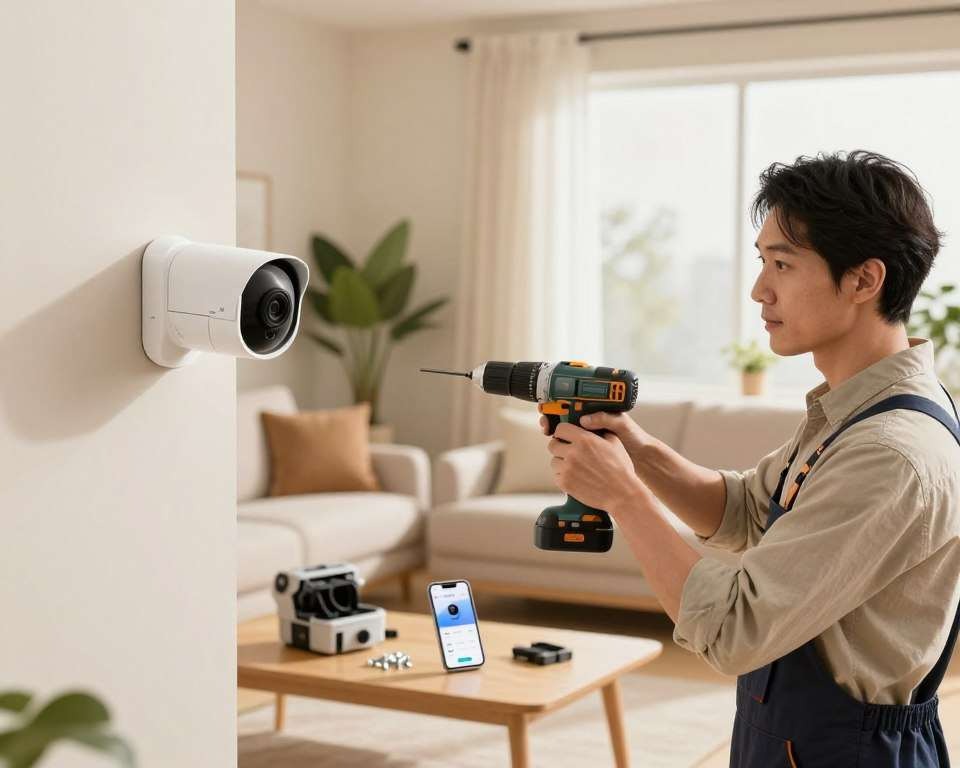
The wireless systems are designed for a quick and easy user experience. Routing systems and structural design require little installation and can be used without professional setup.
Installation Guide
For an easy setup, ensure that you have and that you are in possession of all components to ensure that you are in possession of all components to ensure that you are in possession of all components. Your network should be stable. Following instructions will help as most come with a mobile to assist in setup.
Where to Position the Cameras
Positioning is key to the usefulness of your wireless cameras. Focus on the doors and windows because the cameras should be placed on the doors and windows. They will have a more useful view.
Troubleshooting Connectivity Issues
Should you experience issues with connectivity, the first step is restarting both the router and the camera. Check that the camera is within range of the router and that the Wi-Fi network is functioning properly. If the issues persist, review the user manual, and the available troubleshooting options with customer support.
When the guidelines above are followed, hassle-free wireless home security camera and enhanced security, and the peace of mind, is maximized.
Integration of Advanced Features and Smart Home
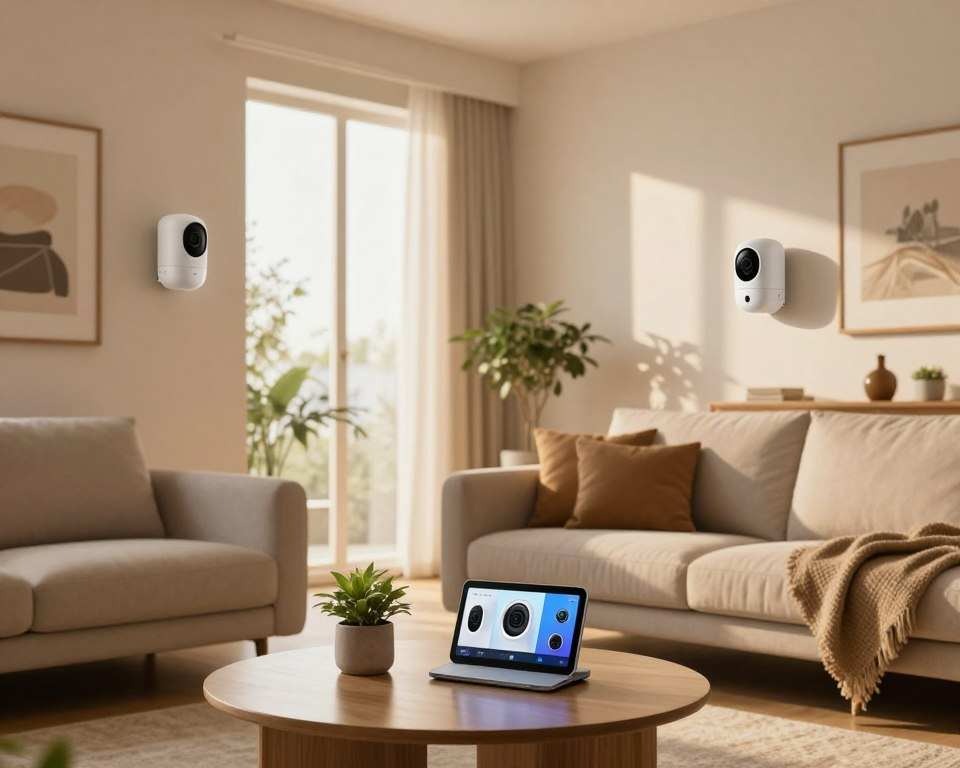
The fusion of wireless home security cameras and smart home devices has revolutionized the security of today’s home. Wireless home security cameras today have transformed beyond video surveillance and offer full home security and video monitoring.
Compatible with Apple Homekit, Alexa, and Google Home
Compatibility with smart home devices and systems like Apple HomeKit, Google Home, and Alexa, is a standard feature of wireless home security cameras, enabling commanding control of the wireless home security cameras, voice-activated, and through the platform apps.
Automated Arming with Geofencing
Another advanced feature is geofencing, where wireless home security cameras automatically arm, or disarm, securing the location, based on the distance to the user’s location.
Benefits and Costs of Subscription Services
Certain home security camera systems require you to purchase a subscription service to access cloud storage and additional premium features. Although this service adds to the overall cost, features such as extended video storage, more advanced analytics, and superior customer service can justify the cost.
Wireless Home Technology and the Protection of Your Home
The creation of wireless home security cameras significantly changed the manner in which we can safeguard our homes. As a result, the process of home surveillance became more convenient. It’s critical for homeowners to learn about the features, types, and brands of wireless home security cameras to make the best selection for safety.
The integration of wireless security cameras and smart home technology can provide effective surveillance and real-time alerts. Wireless security cameras by Arlo, Ring, and Google Nest offer varying capabilities and pricing alternatives.
A feeling of safety comes from having the peace of mind that your property is protected when wireless cameras are included in a complete home security system. These cameras are vital in protecting your home and are a smart, cost-effective purchase whether you want to keep a watchful eye on the house while you are away or would like to prevent intruders from entering your home.
FAQ
How much money do people generally have to spend to buy wireless home security cameras?
The price for wireless home security cameras ranges from $50 to over $300. This price range depends on different specifications such as 4K resolution and facial recognition. Cameras from Wyze and Blink are on the power end of the price spectrum while Arlo and Ring are much more expensive.
How do wireless home security cameras access the internet?
Most wireless home security cameras access the internet through a Wi-Fi connection. Cameras can also connect using Bluetooth or a cellular connection.
Are wireless home security cameras able to be used outside?
Many wireless home security cameras have the ability to be used outside. Brands such as Ring and Arlo have cameras that are designed to be used outside that can cover outside monitoring.
What differentiates local storage and cloud storage used by security cameras?
With local storage, you physically own the storage device, whether it be an SD card, a micro SD card, or other systems like a NAS drive, where you can store the surveillance footage. But with cloud storage, the footage is stored on remote servers, and you will have to pay a subscription fee to access it, and to store the footage.
Is it possible to use my wireless security camera with my smart home devices?
Yes, a lot of wireless home security cameras can be used with smart home devices like Google, Amazon Alexa, and Apple HomeKit. However, you should verify the compatibility of your wireless home security camera with your smart home device before installation.
What can I do to make my wireless home security camera secure from hacking?
Make sure your camera has a strong password, and enable two-factor authentication to add an extra layer of security. Make sure to regularly update your camera’s firmware to add security patches, and choose a camera with end-to-end encryption, and a secure connection to your router to enhance your camera’ security to make it resistant to hacking.
What is the area coverage of most wireless home security cameras?
Different wireless home security cameras have different field coverage. Many cameras have a field coverage of about 120-180 degrees. Some cameras, especially those with pan-tilt-zoom models, may provide broader coverage due to their movement and zooming capabilities.
Do wireless home security cameras operate when the power goes out?
Home security cameras that operate on a battery or a backup power pack may function with a power outage. Some cameras may have a battery backup or are powered by solar energy, which can be a good solution for powering on your cameras.