
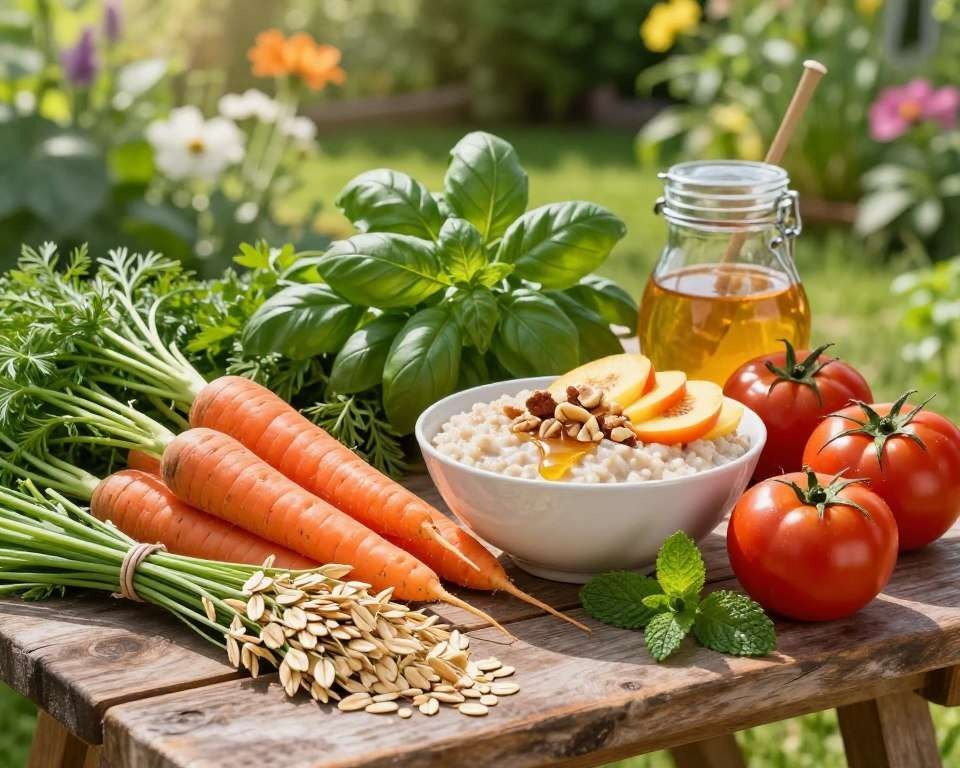
Start your day off with a comfortingly warm bowl of Porridge made with FIX FROM YOUR OWN GARDEN! This is a wonderful food connection and really fun to enjoy your self grown food! It is really to your benefit.
How to Make Porridge in Grow a Garden harvesting Grow Your Porridge Ingredients gives you full control of how quality and fresh your food is.
Cooking porridge with your garden ingredients adds freshness and a healthier lifestyle. This will be a fun journey from garden seed to bowl.
Key Takeaways:
- A garden is cultivated with fresh ingredient harvesting.
- With your own porridge ingredients, homegrown results improve the flavor and health of the porridge.
- Self-grown food creates a better lifestyle.
- A better experience in cooking is quality control.
- A measure of your food connection is how deep the meals are from your garden.
The Garden-To-Bowl Philosophy
In the philosophy of Garden to Bowl, we grow our own ingredients for our recipes because this reinforces our connection to nature and improves our food’s nutritional value. We can not only guarantee the quality and control the nutritional value of our ingredients, but also make sure they are fresh to eat.
Connecting With Your Food Sources
Food production is often a very energizing and extensive process. When food is produced and prepared from scratch, a greater sense of appreciation and respect is often felt towards the overall effort of the production process. The overall production process to make a meal themselves is often appreciated and respected when a meal is produced from scratch and prepared from scratch.
Click On Read: – Garden Tiles
Nutritional Benefits of Fresh-Harvested Ingredients
Ingredients that are freshly harvested are healthier and nutritional than ingredients that are bought from a store. Ingredients that are harvested hold more vitamins, minerals, and essential nutrients than store bought ones which makes for a more nutritious recipe.
| Nutrient | Fresh-Harvested | Store-Bought |
| Vitamin C | High | Moderate |
| Antioxidants | Very High | Low |
| Minerals | High | Moderate |
Planning Your Grow a Garden Space for Porridge Ingredients
To pack a balanced supply of different food ingredients in one garden, one ought to know the spacing requirements of the individual growth requirements of the ingredients. Grains and oats require large spaced areas. In comparison, herbs and fruits are more flexible and can grow in smaller areas and can be planted in containers.
Important Grains to Grow At Home
The first step to getting a delicious bowl of porridge is to have the right grains. Growing your own grains is an amazing feeling and gives you a lot of ingredients to work with for your breakfasts.
Growing Oats and Their Perfect Conditions
The most popular porridge ingredient is oats because of how nutritious they are. The variety ‘Avena sativa’ grows well in cool temperatures. Oats will grow best in soil that has good drainage and is between a pH of 6.0-7.0.
Rest of Grains: Amaranth, Millet, and Barley
Other than oats, you can use other grains to change the taste and texture of your porridge. Barley has a lot of fiber, soy is very protein rich, and amaranth is a nutty tasting gluten free pseudo cereal.
Grain Growing in Small Spaces
If you have a small garden you can still grow your own grains. Small space gardening, container gardening, and vertical gardening are great.
Grain Growing in Containers
Make sure to have large containers that can drain for your soya and barley. They will need to be watered and will need plenty of sunshine.
Vertical Growing Possibilities
Vertical gardening makes it easy to use every last inch of your space. You can use trellises or wall-mounted planters for climbing plants, as well as wall-mounted planters for other plants. For more, check out this video from YouTube.
Integrating these creative gardening ideas makes it easy to incorporate a multitude of grains to sustain a variety of your daily porridge ingredients.
Companion Plants to Grow for Savory Porridge
Growing companion plants elevates your porridge not only to add more nutrition, but also to a wider and more complex flavor palate. Companion plants can be separated into three distinct varieties: fruits and berries, aromatic herbs, and nuts and seeds.
Fruits and Berries: Porridge’s Sweetening and Flavoring From Planting to Harvest
The addition of fruits and berries to your porridge add sweetening elements and are great for your garden. You can plant and grow strawberries, blueberries, and rasps. These fruits tend to be easy to grow and thrive in most conditions.
Enhancing Porridge with Mint, Basil, and Lemongrass
Adding a more complex flavor to porridge can come from aromatic herbs. Lemongrass is a great example and is also a simple plant. These plants can be used fresh or, for a longer preservation of flavor, they can be dried.
Planting Nuts and Seeds
Seeds and nuts provide a healthy crunch. They are also a good source of healthy fats and protein. plant sunflowers and pumpkins. You can also plant nut trees like walnuts and almonds.
Sunflower and Pumpkin Seeds
These seeds are fast and easy to grow and are ready to be harvested at the end of the season. You can enhance the flavor and crunch by roasting or toasting them.
Walnut and Almond Trees
Nut trees like walnuts and almonds are a good multi year investment. They can provide a lot of fruit for many years. They can also provide shade and look lovely in your garden.
Picking the Right Time to Harvest
To get the best flavor and nutrients out of your grains, fruit, and herbs, it’s important to know when and how to pick them.
Picking Crops At Their Prime
Know when your crops are at their prime. For grains, like oats, check the moisture level. Fruit and berries won’t ripen, so pick them when they are completely ripe.
Best Ways to Harvest to Keep the Most Nutrients
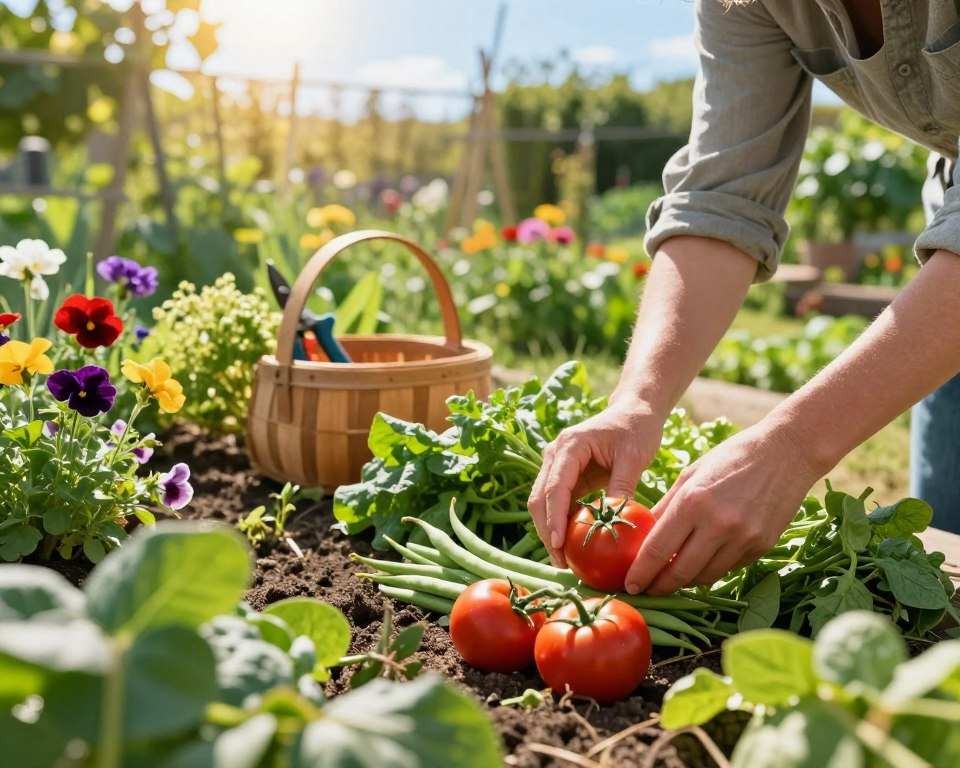
Harvesting with care will keep more nutrients in the harvest. For grains, this means being gentle with the kernels. For fruits and herbs, use tools that won’t bruise them or pick them by hand.
Organizing and Storing the Harvest
Once the harvest collecting process is done, the harvest needs to be stored in the best way to keep its nutrients for as long as possible.
How to Store Grains
To keep grains from getting ruined, they need to be dried correctly. Keep the grains in a single layer on a flat surface, or use a food dehydrator on a setting that’s low. Check on the grains to see that they are drying at the same rate.
How to Freeze Fruits
To preserve the fruits, the best way is to freeze them. Before freezing, the fruits need to be blanched in boiling water and put in an ice bath to make sure that bad enzymes are not working.
Following all of this, you are able to enjoy all the nutrients and deliciousness of the porridge all year long.