
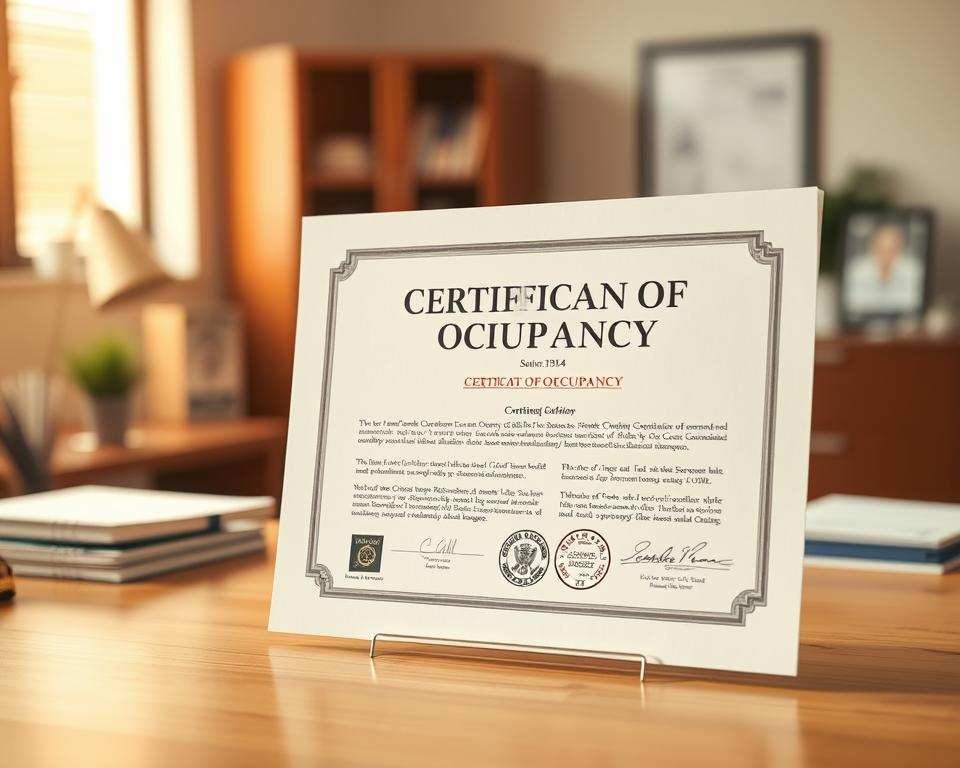
Homeowners and investors alike need to understand COE in real estate and its implications. One such aspect is the real estate Certificate of Occupancy, which indicates if a real estate property has complied with local building regulations, laws, and codes.
The Certificate of Occupancy is not a mere formality; it is an important document, which verifies that property is legally habitable. Otherwise, owners of COE real estate risk sanctions and/or financial penalties.
What is coe in real estate? Understanding COE real estate is important to understand its value and relevance in real estate transactions.
Takeaways
- A real estate property has to have a COE for it to be legally occupied;
- A COE ensures that all local building laws, codes, and regulations have been adhered to.
- A COE real estate property is likely to cause owners financial and legal challenges.
- Understanding COE meaning for real estate is important for all a transaction’s participants; for buyers, sellers, and investors.
- COE is an important document in the transaction of real estate. COE has to do with having a Certificate of Occupancy.
What Is COE in Real Estate?
In real estate, the COE, or Certificate of Occupancy, is a crucial inventory that proves that a property meets all the needed building regulations and codes. It is granted by local government offices after doing multiple inspections that make sure the building is safe for all to enter.
Click on Read: – Is Getting a Real Estate License Hard
Meaning and General Understanding
A COE is a document that confirms that a building follows the local building codes, zoning laws, and health regulations. This type of document is customarily needed before a building is allowed to be occupied or sold. This document provides proof that the building can be used and is safe for all people, and that there is enough supporting infrastructure.
Various Certifications of Occupancy
When it comes to the property type and the intended use, there are several different kinds of COEs. For example, a COE for residential property can be different from that of a commercial one. A property that has special characteristics or use may need to be issued a different type of COE, like a restaurant or an industrial building.
Temporary Vs. Permanent COE
Temporary COE’s are issued for specific periods of time, usually during construction, allowing temporary occupancy. Conversely, permanent COE’s are issued once a building has met every requirement needed, is intended for long-term occupancy, and is fully compliant with all regulations. Understanding the difference between these two types of COE’s is important to property owners and buyers.
The Purpose and Function of a COE
So, let’s tell you about what is coe in real estate. The COE is a key document that certifies a building’s compliance with legal requirements as to its safety, other applicable building safety regulations, and land use. It is important to verify that a property is safe for occupancy and complies with the required legal and regulatory thresholds.
Legal Requirements and Compliance
One of the significant purposes of a COE is to verify that a building is legally compliant. This pertains to compliance with applicable local building codes, as well as, zoning requirements and other regulatory compliance. To get a COE, property owners are subjected to a range of inspections, which are to verify compliance.
For most locations to obtain a COE, it’s required to:
- Abide to construction codes and zoning requirements
- Assessment and verifications of electrical, plumbing, and other major systems
- Complete inspections for fire safety and other standards of accessibility
Safety and Building Codes
A COE also confirms that a building complies with safety and construction codes, which is important because it protects the health and safety of the people inside. The document confirms that the construction or renovation of the building was done according to the approved plans and specifications.
Key elements of safety and building code standards:
- Cohesion and robustness of building
- Destruction by fire and means to curb the fire
- Exit routes for emergencies and accessibility
Verification of Proper Land Use
A fundamental component of the COE process is verifying that the land use is consistent with local zoning regulations and land use plans. This ensures that the property is being used legally.
Localized Differences Across The U.S.
Certainly, there are COE requirements all over the U.S, and there can be immense variances by region. Local governmental entities can have their own requirements, rules, and standards that need to be considered. This is important for property owners and developers.
Some of the region differences are such as:
Area
Details Needed
- Northeast
More strict building rules because of weather - California
Building that meets standards of earthquake - Flood areas
Building that meets standards of flood resistant construction
The COE Process in Real Estate Transactions
Getting a COE is one of the steps in the real estate process and is due to local rules and regulations in your area of business. Obtaining a COE is a process that is a result of having a property that is compliant with building rules and zoning laws.
Getting a Certificate of Occupancy
what is coe in real estate in the United states?
In applying for a COE, property owners, or property developers are to start an application with the local building authority. This is done usually after you finish the construction or renovation of your property. The application goes through steps, and it is where you submit the requested information about the property, which is about what the property is, what you are intending to do with it, and what modifications you have done.
The steps in the application that are most important are as follows:
- Detailed plans and specifications of the property must be submitted.
- The designated application fees must be paid.
- Local building authorities must be Inspected.
Required Documents, Inspections, and Information
The Inspections process is an important part of the COE process because it verifies that the property meets local building codes, zoning laws, and regulations. There are inspections that may include: electronic, plumbing, and structure.
Some of the documents that are required for the COE process include: Proof of compliance with rules to adapt the building.
- Zoning approvals
- Inspection reports
Common Delays and How to Avoid Them
Nothing’s worse than getting a delay on a Certificate of Completion because of deficiencies on the application such as no documentation, disapproval of the documentation, or lack of documentation with respect to local ordinances. The best way to avoid getting a delay on due documents is to have a first class documentation strategy that to the best of your ability ensures that all documentation is complete and correct.
Some best practices on how to avoid getting a delay on due documents:
- There are local building officials that you may have contact with, and it is recommended to keep communication open and flowing on a frequent basis.
- If there are any issues with the documentation, rapidly correct them.
- Make sure you are informed of all the changes and alterations made to the local ordinances on your target documentation.
COE Requirements for Different Property Types
When dealing with different types of property, there is a significant variance on the requisites of a Certificate of Completion to know what is coe in real estate? Specific requirements on a Certificate of Completion for residential, commercial, or even industrial property is highly important if you are on a successful and timely completion of a Certificate of Completion.
For example:
- Residential may require additional warnings and safety devices, such as smoke detectors.
- Commercials may fall subject to different regulatory requirements on accessibility.
- Industrial may face greater safety demands with respect to the environment.
Property owners and developers that know the core of the Certificate of Completion relations on real estate transactional will save on legal and non legal fees through the knowledge of the provided requirements.
Significance of COE to Different Participants in Real Estate
Every person engaged in buying, selling, investing, and developing real estate needs to know the significance of COE. COE is one of the documents which confirm that a property is in accordance with the building codes and zoning regulations of the area, and thus each party is concerned about it and its impact on their interests in different ways.
What Buyers Should Know Related to COEs?
It is the buyer who needs to request a COE because without it, he/she cannot purchase the property. It confirms that the structure is fit for occupancy and it abides by the community standards. The buyer must validate whether sellers possess COEs, or if COEs have not been issued, learn the processes to obtain one. According to a real estate professional, “A COE is a buyer’s assurance that the property has been built and maintained according to legal standards.”
Buyers must also understand that COE is not an end document. Buyers must update it in the event that substantial changes are made to the property. This understanding must guide buyers in the decision and negotiations.

Seller Responsibilities Regarding COE
Sellers must confirm whether or not their property meets COE requirements and must notify buyers of the COE status. They should be ready to provide a COE or else they may face legal and financial consequences.
As stated in a recent
“In real estate transactions, there is a requirement to be honest in all aspects, same as in COE and that is why it is necessary to be honest with the buyers and or the sellers …”
Citing the relevance of COE to sellers and their buyers.
Influence on property stakeholders
For property investors and developers, COE is highly necessary for the accomplishment, and consequently, legal sale of the other projects. It means that the developed property now has the legal authority to conduct business, and it therefore curtails all the legal hassle or financial loss as a result of a non-legalized business.
Property stakeholders, particularly investors, and developers must factor in the COE process during the planning of the project so as to avoid high costs that may arise due to unnecessary delays in the project. Also, proper adherence to the bylaws may increase the overall value and the willingness of the buyers to invest in the property.
Financial and legal consequences of COE issues
Everyone involved may face serious consequences due to COE issues. Non-legalized residence may result in serious problems, including non-legalized business, or even verbal and legal clashes, and even be forced to remove their homes on the established site of the non-legalized property.
The fines in these situations can be large and the legal repercussions can really hurt the reputation of the investors and developers involved. Understanding the business and regulatory requirements of the COE is absolutely necessary.
Conclusion: COE in Real Estate
The COE in real estate is vital. As discussed, a COE is important because it proves the property satisfies the local authority’s building regulations, uses, and safety requirements.
Knowing the COE is important because it impacts the safety and legality of the property. All parties – the buyers, sellers, investors, developers, etc. – must be aware of the COEs to eliminate the potential for legal and financial issues.
The COE is necessary to help maintain the property’s worth and safety of the people on/in the property. Focusing on COE allows people to avoid issues that can result from non-compliance.
To summarize, it is necessary for people to understand the multiple dimensions of COE in real estate. Legally, it is important for all parties involved to understand the COE and to follow it to ensure the transactions are smooth, and all parties are protected by the law.
FAQ
What is CEO in Real Estate?
A Certificate of Occupancy is a verification issued by a municipality that indicates a particular property meets certain requirements of the local building code and is therefore safe for human habitation.
Why Is a COE Needed by the Landowners?
A COE is needed by property owners to guarantee that their property meets all of the federal and municipal safety and building code requirements in order to obtain a mortgage, sell the property, or rent out the space.
What Types of COE Are Available?
Several types of COEs exist, including temporary and permanent COEs, not to mention those pertaining to specific property types, whether for a dwelling or any other commercial establishment.
How do I get a COE?
In order to obtain a COE, the owners of a property must submit detailed applications to the relevant local authorities, followed by the provision of all necessary documents and the validation of multiple inspections to confirm that the provisions of building codes and zoning regulations have been met.
What happens if I don’t have a COE?
You can probably get in trouble for not having this certificate. You might get fines, legal trouble, or lose money if something gets canceled or delayed without a COE.
Is a COE transferable?
Most of the time, a COE stays with a piece of property. However, this can vary by place, so it’s always a good idea to check with the local government office or building department.
How does a COE affect property value?
Having a COE can actually increase the value of a property because it shows that the property meets safety and building codes. On the other hand, not having a COE, or having issues with a COE, can decrease the value of a property.
Are the requirements the same across the U.S?
Not at all. The requirements for Certificate of Occupancy differ with each place in the country, so it’s important to learn what the local rules and requirements are in an area to get a COE.
What should the buyers be looking for when it comes to COE?
Buyers should check that there is a COE for the property, check the COE documents and COE issues, if there are any. They should also understand what the COE issues are and what risks they might have with the COE.