
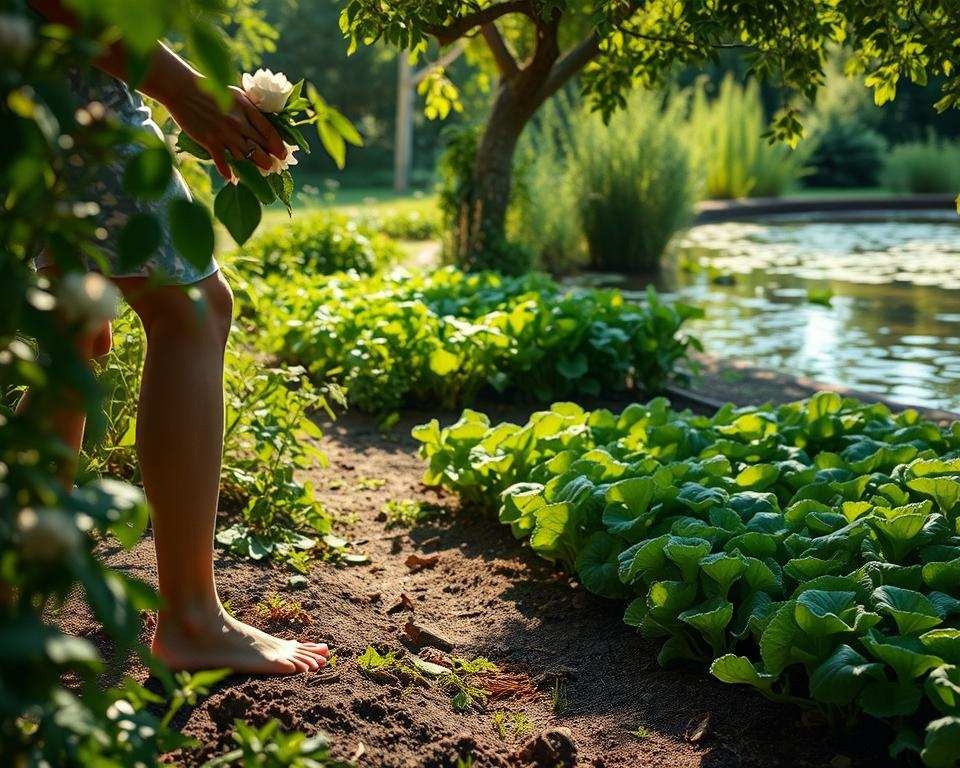
Connecting with nature in your daily routine may sound counterintuitive, but have you ever experienced the profound joy of doing so? Slowing down and noticing the world while working in your garden barefoot is a terrific means of combating the challenges of our frantic, modern world and finding peace and tranquility.
Gardening barefoot your awareness and presence in the moment create a bond with the earth and improve mental wellness, mindfulness, and health.
In the following pages, we will identify and discuss the benefits of this tranquil practice, including decreased stress and increased feelings of calm. You will also discover the benefits of achieving a more balanced life by incorporating this simple and empowering practice into your daily routine.
Key Takeaways
The benefits of gardening without shoes is the first thing to understand.
The peace of this practice improves mental health and wellness.
It is part of your daily routine to identify the means of incorporating barefoot gardening.
It will also be beneficial to your overall mental and physical well-being.
We provide our peace gardening barefoot practice as the ultimate starting point.
The Ancient Connection Between Bare Feet and Earth
The connection between bare feet and earth is ancient and historical practices show its importance across various civilizations. This practice, called earthing or grounding, has been observed in different cultures throughout history.
Click On Read: – Gardening as a Hobby
Historical practices across cultures
Numerous ancient cultures recognized the value of earth connection. For instance, in many indigenous cultures, the practice of walking barefoot columned daily life and held of spiritual importance. Native American cultures viewed the earth as sacred and believed that direct spiritual contact would heal them. Likewise, in many African cultures, barefoot walking was common and was believed to strengthen one’s connection to the land and to the ancestors.
The Science of Grounding or “Earthing”
The concept of grounding or earthing is based on contact with the unearthed surface of the ground, which provides different health benefits. Various studies indicate that the surface of the earth possesses a negative electric charge. Thus, when an individual directly interacts with it, an exchange of an electron that is negatively charged becomes possible, which can counter the free radicals within and reduce inflammation. Moreover, it has been shown in different studies that grounding earthing enhances sleep and reduces stress and that it improves general health.
The transfer of earth’s electrons to the body in grounding helps to balance the body’s electric rhythms. According to a study, “Grounding the human body to the Earth has been shown to reduce inflammation, improve immune responses, and enhance wound healing.” These practices, in support of the theory, can be walking unshod, which has been noticed throughout cultures in history, and has health benefits as well.
The Transformative Benefits of Gardening Barefoot
Barefoot gardening can enhance the overall well-being of novices and experienced gardeners alike. The earth can be physically and mentally connected to the body while experiencing the numerous benefits gardening has to offer.
PHYSICAL HEALTH IMPROVEMENTS
Walking without shoes on soft grass can improve circulation and muscle strength, as well as lead to improved balance. While walking, healing is also promoted as well as inflammation reduction and better sleep.
MENTAL HEALTH IMPROVEMENTS
Exercising, being outdoors, gardening, and being barefoot all contribute to better mental health by reducing depression and anxiety.
STRESS IMPROVEMENTS
Mindfulness can aid in stress reduction and walking barefoot while gardening can help improve focus and attention as well as aid in the mental health aspects stated outside.
IMPROVING PHYSICAL AND MENTAL HEALTH THROUGH BAREFOOT GARDENING
Walking outside is a great way to meet health and wellness goals. Walking barefoot on grass can meet those as well as improve mental health while walking barefoot and gardening can improve focus and attention while also being outdoors. This can help someone meet their health goals while also connecting with nature.
How Barefoot Gardening Enhances Your Connection with Nature
The practice of barefoot gardening can improve people’s appreciation of nature and enhance their sensory experiences. A direct connection to the earth has numerous benefits, allowing for a greater understanding and an even closer bond with nature.
Sensory Experiences in the Garden
All of the gardening experiences are enhanced even more by the various stimulation of the senses. A huge factor in this are the differing textures and temperatures a person steps on or walks on. Sun and shade alternated and walking barefoot on soil or grass make a large contribution to the experience. Also, a person can hear nature much better by walking barefoot. Wherever a person walks, nature sings, and they can hear the flowing of water and birds singing much easier.
Developing Deeper Awareness of Your Environment
A higher level of environmental awareness is stimulated by barefoot gardening. Not having the barrier of shoes, a person can better sense temperature, moisture, and texture and even the conditions of the garden better. This increased sensitivity can lead to responding better for gardening and the surroundings, to the various needs of plants, and can even lead to more efficient gardening overall.
Seasonal Variations in Barefoot Gardening
The different seasons provide vastly different experiences when it comes to barefoot gardening. During the spring, the coolness and dampness of the soil can provide invigorating sensations. Summer, in contrast, is considerably warmer, while fall is marked by the crunch of the adjacent leaves and the underfoot foliage. Although winter can be cold, it presents an entirely unique sensory experience that may include the sights and sounds of frost and snow. Every season has its different and unique sensations to provide making the barefoot gardening experience an engaging one.
In barefoot gardening, people can form a closer relationship with their gardens and, in turn, with nature.
Direct contact with the earth can enhance sensory experiences.
Greater sensitivity can lead to increased environmental awareness.
A greater appreciation for the individual traits of the different seasons.
Practical Tips for Safe Barefoot Gardening
To embrace barefoot gardening, you will need to prepare and be aware of what’s around you. This involves taking a few precautions to make sure you have a safe and enjoyable experience.
Organizing Your Garden Space
There are some pre-emptive things to assess before you get to gardening barefoot, starting with an inspection of your garden area. Make sure to clear your space of things that could pose harmful threats to your feet such as poison plants, sharp debris, or other types of dangers that could cause harm. If you would like to, you can create your own barefoot friendly zone in your garden that features wood chips and mulch.
Identifying and Eliminating Hazards
Since hazards can change often, make sure to survey your garden area often to observe and manage potential dangers such as broken glass, sharp rocks, risk of thorns, etc. If you haven’t already, make sure to properly remove or mitigate these hazards before you garden to eliminate the risk of injury. Make sure to check for any signs of pests or diseases as well, that are either harmful to plants (that you wish to keep) or threats to your feet.
The Development of Foot Strength and Tolerance
Newcomers should begin slowly when practicing barefoot gardening. Start with low duration and intensity and slowly increase as your feet adapt to the new activity. Foot conditioning can also be incorporated into your routine through some simple exercises, such as:
- Curls and spreads with your toes to increase flexibility through various ranges of motion
- Raises on the heels to build strength into the gastrocnemius and soleus
- Walking on various surfaces to lessen the sensitivity in your feet
Foot Conditioning Exercises
In addition to the conditioning of feet via gradual exposure, barefoot gardening also requires flexibility and strength in your toes and ankles. Two simple exercises described as toe yoga and ankle rotations can be added to one’s routine to satisfy the conditioning of the feet.
Some Troubleshooting
Some of the concerns of barefoot gardening include the risks of exposing your feet to injuries and infection. A few simple groundwork practices can be done to mitigate the risks. For people with sensitive skin, barrier cream can be used. For people with specific foot conditions, it is best to consult with a healthcare professional before starting barefoot gardening.
Designing a Garden Assisting with the Barefoot Experience
A garden that incorporates and assists barefoot walking requires a careful selection of design elements. A space that is crafted with the intention of barefoot walking provides a safe and thoughtful design that enhances the ordinary experience of the garden and allows people to fully relax and engage with nature.
Selection of Plant Materials for Design
Picking out plant materials and ground cover is a key component in the construction of a foot-friendly garden. For a foot-friendly garden, the ground cover should be low, soft, and foot-friendly, like clover or ground cover thyme. When selecting plants, try to choose ones with soft-leaf foliage or flower heads as they will be less likely to injure or irritate the foot.
An example is ground cover thyme as it is pleasant to walk on and emits a nice fragrance when trodden upon.
Creating a Sensory Experience
Adding a sensory pathway will be a big plus to the foot gardening experience. Sensory pathways encourage the use of different materials for the ground and each section of the pathway. For example, smooth stones, rough bark and soft grass will encourage the user to engage with their sense of touch and invite them to explore.
Inviting meandering pathways can encourage barefoot walking, and promote a more mindful and meditative flow.
Climate Resiliency
A foot-friendly garden should be adaptive for any of the four seasons. Using materials in the construction of the garden that will stay comfortable to walk on in any climate are beneficial. For example, using permeatable materials to allow for drainage, and versatile heating systems for the winter, will allow the garden to be usable for most of the year.
Also, shaded spots would be ideal as they could provide relief from the sun and protect your skin from overexposure in the warm seasons.
Integrating Barefoot Gardening into Everyday Activities
Integrating Barefoot Gardening into Daily Activities strengthens your bond with Mother Earth and provides health benefits. Educational programs are available to teach the attractive physical and mental benefits of Barefoot Gardening.
Morning Routines with Dewy Grass
Barefoot Gardening is best in the early hours of the day. Walking barefoot on the soft, moist grass is a great way to wake the body and the mind and prepare them for the day. The ground is packed with nutrients and the cool grass wiil help your body and mind maintain good flow and reduce inflammatory and circulatory problems.
Noon Grounding
Barefoot Gardening can easily be performed in short stretches of time. Making this a regular habit can lower levels of stress and help undistracted focus on a task. Just a short time of Grounding can lead to beneficial changes in your inner balance and overall performance. Take time every day to walk or stand barefoot in a calm, quiet spot. Close your eyes, breathe deeply, and let your mind rest.
Evening Wind Down Activities
Another method to help relax in the evening is to do some barefoot gardening. Resting in the garden and tending to plants can help to calm your body and prepare for sleep. You can do some gentle stretches or meditations to help deactivate the body even more.
Examples of Ten Minutes of Barefoot Gardening
Here is a sample tutorial of routines for you to follow:
Morning: 5 minutes of waking and walking on the grass with dew on it along with 5 minutes of gentle stretching.
Midday: 10 minutes sitting or standing barefoot in a garden area, quiet for the duration focusing on your breath.
Evening: 5 minutes of barefoot weeding or watering the garden and 5 minutes of meditation afterward.
Integrating Other Mindfulness Activities
The other mindfulness practices can really enhance the impact barefoot gardening has on the individual. Activities such as barefoot gardening can be coordinated with yoga, meditation, and tai chi. The goal is present mindfulness. Being able to form a connection with nature is the ultimate goal.
Routine — Duration — Benefits
Morning Dew Walk — 10 minutes — Invigorates senses, improves circulation
Midday Grounding — 10 minutes — Reduces stress, improves focus
Evening Wind-Down — 10 minutes — Promotes relaxation, prepares for rest
Engaging in barefoot gardening as part of your daily routine will deepen your connection to nature, as well as offer a multitude of mental and physical health benefits. Consistency and mindfulness are essential, but the time of day you choose for the practice is totally up to you.
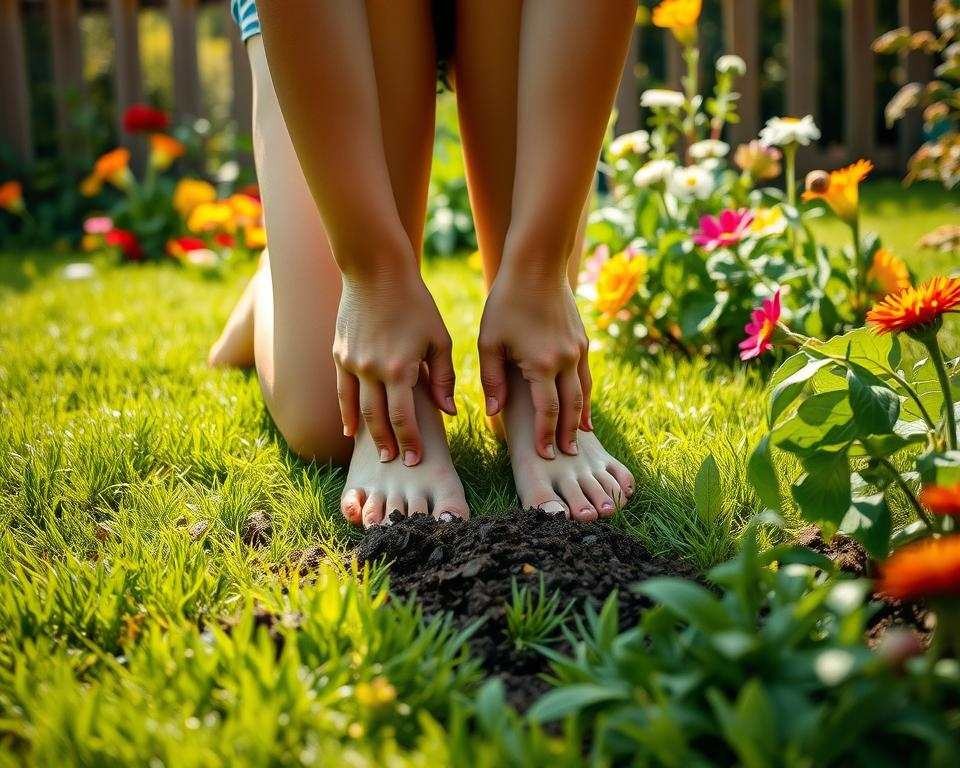
Conclusion: Embracing the Barefoot Gardening Lifestyle
The barefoot gardening lifestyle has the potential to be transformative, as it enhances your wellbeing and increases mindfulness. Daily barefoot gardening practice allows you to connect with nature on a deeper level and benefits your mental and physical health.
Barefoot gardening encourages you to connect with the outside world on a deeper level, creating a calming experience. This mindfulness practice is enhanced by gardening without shoes, as it heightens your awareness of your surroundings.
This lifestyle has many benefits, including strengthening and improving foot flexibility, lowering stress and enhancing mood. The benefits may include an emotional state that is healthy, and an earthly and internal bonding, which will lead to balance and a state of fulfillment.
FAQ
What are the benefits of gardening barefoot?
While barefoot gardening, one is able to connect with nature, and that has transformative benefits to an individual’s mind, emotional state, and physical wellbeing.
Is it safe to garden barefoot?
Yes. Being mindful of the potential risks and taking practical steps to mitigate them makes gardening barefoot a safe and positive experience.
How do I prepare my garden for barefoot gardening?
For barefoot gardening, the following are recommended: the removal of any potential hazards, the introduction of plants that are foot-friendly, and the addition of soil and lush sights. Creating a sensory path is a great addition as well.
Is it safe to go barefoot gardening when it’s cold, hot, windy, or rainy outside?
Going barefoot gardening during cold, hot, windy, or rainy weather might be safe, but you should check to see if it might be unsafe or uncomfortable for you personally.
Putting barefoot gardening into my routine might be hard; do you have any ideas to help me ease into it?
You can ease into it by doing things like walking barefoot on the grass during your morning routine, taking a relaxing break outside in the afternoon, or walking barefoot outside during the evening for winding down.
What can I do to teach my feet to be okay with gardening barefoot?
To teach your feet to be okay gardening barefoot, you should spend time outside walking on a variety of surface types and temperatures; it also might be a good idea to do some exercises to help the muscles in your feet.
Why not do some more types of mindfulness practices outside while barefoot gardening?
You can also incorporate barefoot gardening into mindfulness practices like focusing on your breathing or meditating, and it can really help with your mental health too.